
About Binsar Wildlife Sanctuary Uttarakhand
Binsar Wildlife Sanctuary Uttarakhand is a serene and enchanting destination that offers nature lovers a perfect escape into the lap of the Himalayas. Located in the Almora district, this sanctuary spreads over 45 square kilometers of lush green forests, offering panoramic views of the majestic snow-capped peaks of the Kumaon region, including Nanda Devi, Trishul, and Panchachuli. The sanctuary is a blend of tranquility, biodiversity, and breathtaking landscapes, making it an ideal spot for wildlife enthusiasts, trekkers, and photographers.
Binsar Wildlife Sanctuary Uttarakhand is renowned for its rich biodiversity. The dense forests are home to a variety of flora, including oak, rhododendron, pine, and deodar trees. The sanctuary’s flora changes with the seasons, painting the landscape with vibrant colors in spring and summer and a serene, muted palette in winter. The sanctuary also hosts a remarkable variety of fauna. Visitors may spot leopards, barking deer, Himalayan martens, and a variety of small mammals. Birdwatchers are particularly drawn to Binsar, as it shelters more than 200 species of birds, including the Himalayan monal, satyr tragopan, and various species of woodpeckers and eagles.
The sanctuary is not only a haven for wildlife but also offers peaceful trekking and nature trails. Popular viewpoints such as Zero Point, Jhandi Point, and Binsar Point provide spectacular sunrise and sunset views over the mountains, making it a photographer’s paradise. The sanctuary’s serene environment, combined with its cool climate, provides a refreshing escape from city life.
Apart from wildlife and trekking, Binsar Wildlife Sanctuary Uttarakhand is steeped in cultural heritage. Ancient temples, such as the Bineshwar Mahadev Temple, are scattered within the sanctuary, offering visitors a glimpse into the region’s spiritual and historical significance.
Binsar Wildlife Sanctuary Uttarakhand is easily accessible from major towns like Almora and Ranikhet. The best time to visit is from March to June and September to November when the weather is pleasant and the forest comes alive with flora and fauna. Whether it is for adventure, photography, birdwatching, or simply a peaceful retreat, Binsar Wildlife Sanctuary Uttarakhand promises an unforgettable experience amidst nature’s pristine beauty.
Who Should Visit Binsar Wildlife Sanctuary Uttarakhand
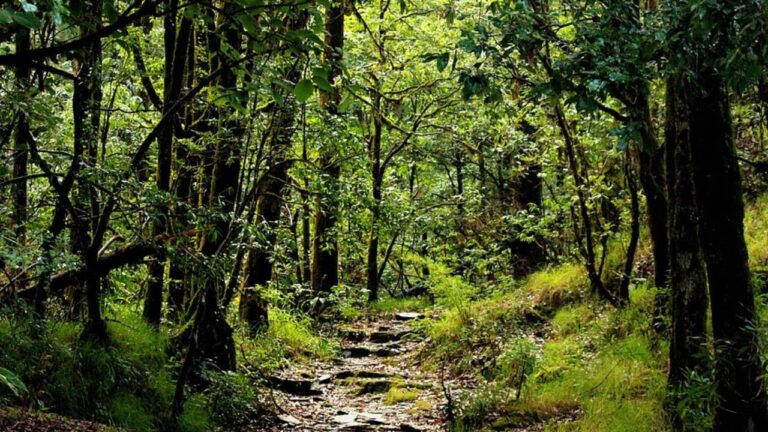
Binsar Wildlife Sanctuary Uttarakhand is a perfect destination for anyone seeking a serene retreat in the lap of the Himalayas. With its lush forests, rich biodiversity, and panoramic mountain views, it caters to a wide range of travelers. Whether you are an adventure seeker, nature lover, or someone looking for peace away from the city, Binsar offers something special for everyone.
Nature Lovers and Wildlife Enthusiasts
Binsar Wildlife Sanctuary Uttarakhand is a haven for nature lovers and wildlife enthusiasts. The sanctuary is home to diverse flora and fauna, including leopards, barking deer, Himalayan martens, and over 200 species of birds. Birdwatchers and wildlife photographers will find the sanctuary particularly rewarding, with opportunities to spot rare Himalayan species in their natural habitat.
Trekkers and Adventure Seekers
For trekkers and adventure seekers, Binsar Wildlife Sanctuary Uttarakhand offers several trails through dense forests, leading to scenic viewpoints like Zero Point and Jhandi Point. The trekking experience here is gentle yet exhilarating, ideal for both beginners and seasoned hikers who enjoy exploring nature on foot.
Peace Seekers and Spiritual Travelers
Binsar is also perfect for those looking to unwind and rejuvenate. The sanctuary’s calm atmosphere, coupled with its cool climate and breathtaking vistas, provides an ideal escape from urban stress. Additionally, ancient temples like the Bineshwar Mahadev Temple add a spiritual and cultural dimension for travelers interested in exploring heritage sites.
Families and Photographers
Families can enjoy nature walks, photography, and short treks in a safe and peaceful environment. Photographers will find the sanctuary a paradise with its scenic landscapes, panoramic mountain views, and the diverse wildlife, making it perfect for capturing unforgettable moments.
Conclusion
Binsar Wildlife Sanctuary Uttarakhand is a versatile destination that appeals to a variety of travelers. Whether you seek adventure, tranquility, wildlife exploration, or cultural experiences, Binsar offers an enriching experience that connects you with nature and Himalayan beauty.
Best Time To Visit Binsar Wildlife Sanctuary Uttarakhand
Binsar Wildlife Sanctuary Uttarakhand, nestled in the Kumaon Himalayas, is a destination that offers serene landscapes, lush forests, and breathtaking mountain views. Choosing the right time to visit ensures you can fully enjoy its natural beauty, pleasant weather, and wildlife sightings.
Spring and Summer (March to June)
The months from March to June are considered one of the best times to visit Binsar Wildlife Sanctuary Uttarakhand. During this period, the weather is pleasant, and the forest comes alive with vibrant flora. Flowers bloom, and the clear skies provide unobstructed views of the snow-capped Himalayan peaks. It is ideal for trekking, nature walks, and wildlife spotting.
Monsoon Season (July to September)
While Binsar transforms into a lush green paradise during the monsoon, heavy rains can make trekking and outdoor activities challenging. Roads may become slippery, and some trails may be inaccessible. However, the sanctuary looks stunning with misty landscapes and waterfalls for travelers who enjoy offbeat experiences.
Autumn and Winter (October to February)
October to February is another great time to visit Binsar Wildlife Sanctuary Uttarakhand. The weather is cool and crisp, perfect for sightseeing, photography, and exploring viewpoints like Zero Point and Jhandi Point. Winter mornings may be chilly, but the snow-capped Himalayan peaks provide a spectacular backdrop for visitors.
Conclusion
The best time to visit Binsar Wildlife Sanctuary Uttarakhand largely depends on your preferences. For pleasant weather, vibrant flora, and ideal trekking conditions, March to June is perfect, while October to February offers clear skies and scenic mountain views. Visiting during these periods ensures a memorable and immersive experience amidst nature’s pristine beauty.
How To Reach Binsar Wildlife Sanctuary Uttarakhand
Binsar Wildlife Sanctuary Uttarakhand is a hidden gem in the Kumaon region, known for its lush forests, panoramic Himalayan views, and rich biodiversity. Reaching this serene sanctuary is convenient, with multiple travel options available by road, rail, and air, making it accessible for both domestic and international travelers.
By Air
The nearest airport to Binsar Wildlife Sanctuary Uttarakhand is Pantnagar Airport, approximately 125 kilometers away. From the airport, travelers can hire a taxi or use local buses to reach Binsar. The road journey from Pantnagar to Binsar takes around 4–5 hours and passes through scenic landscapes, offering a glimpse of Kumaon’s natural beauty.
By Train
The closest railway stations are Kathgodam and Haldwani, situated about 120 kilometers from Binsar. Both stations are well-connected to major cities like Delhi, Lucknow, and Dehradun. From Kathgodam or Haldwani, travelers can hire taxis or use buses to reach the sanctuary, enjoying a picturesque drive through the hills.
By Road
Binsar Wildlife Sanctuary Uttarakhand is well-connected by road to nearby towns like Almora, Ranikhet, and Nainital. Private taxis, self-driven cars, and buses are popular options. The roads wind through dense forests and quaint villages, making the journey itself a scenic and memorable experience.
Conclusion
Reaching Binsar Wildlife Sanctuary Uttarakhand is relatively easy, whether by air, rail, or road. Choosing the right mode of transport depends on convenience and travel preferences, but every route offers a chance to experience the natural beauty of the Kumaon Himalayas. Once there, the sanctuary promises a tranquil and immersive experience amidst wildlife and breathtaking landscapes.
Things To Do In Binsar Wildlife Sanctuary Uttarakhand
Binsar Wildlife Sanctuary Uttarakhand is a perfect destination for nature lovers, adventure seekers, and photography enthusiasts. Nestled in the Kumaon Himalayas, this sanctuary offers a variety of activities that allow visitors to explore its lush forests, diverse wildlife, and panoramic mountain views.
Wildlife and Bird Watching
Binsar Wildlife Sanctuary Uttarakhand is home to over 200 species of birds and several mammals, including leopards, barking deer, and Himalayan martens. Birdwatchers and wildlife enthusiasts can spend hours spotting rare Himalayan birds and capturing photographs of animals in their natural habitat. Early mornings are ideal for wildlife sightings and the best opportunities for photography.
Trekking and Nature Walks
The sanctuary offers numerous trekking trails and nature walks suitable for both beginners and experienced hikers. Popular trails lead to viewpoints like Zero Point, Jhandi Point, and Binsar Point, where you can enjoy panoramic views of the snow-capped Himalayan peaks. Trekking through dense oak and rhododendron forests provides a refreshing escape into nature.
Photography and Scenic Views
Binsar Wildlife Sanctuary Uttarakhand is a paradise for photographers. From lush green forests to serene mountain vistas, every corner of the sanctuary offers a picture-perfect view. Sunrise and sunset at viewpoints are particularly breathtaking, providing stunning landscapes for capturing memorable moments.
Exploring Temples and Heritage Sites
Within the sanctuary, ancient temples like the Bineshwar Mahadev Temple add cultural and spiritual value to your visit. Exploring these heritage sites offers insight into the region’s traditions and provides a peaceful retreat amid nature.
Conclusion
Binsar Wildlife Sanctuary Uttarakhand offers a wide range of activities for every type of traveler. Whether it’s wildlife spotting, trekking, photography, or exploring cultural sites, the sanctuary provides an enriching experience that combines adventure, serenity, and the majestic beauty of the Himalayas.
Different Zones of Binsar Wildlife Sanctuary Uttarakhand
Binsar Wildlife Sanctuary Uttarakhand, though relatively small in area, is divided into several zones that make it easier for visitors to explore its rich biodiversity and scenic landscapes. Each zone has unique features, wildlife, and viewpoints that highlight the sanctuary’s charm.
Binsar Main Zone
The Binsar Main Zone is the heart of the sanctuary and includes dense oak, rhododendron, and pine forests. This zone is ideal for nature walks, wildlife spotting, and photography. Key attractions here include the Bineshwar Mahadev Temple and viewpoints like Binsar Point, which provide stunning panoramic views of the Himalayan peaks, including Nanda Devi and Trishul.
Zero Point Zone
Zero Point is one of the most popular zones in Binsar Wildlife Sanctuary Uttarakhand, known for its breathtaking sunrise and sunset views. Located at the highest altitude in the sanctuary, it offers unobstructed vistas of the snow-capped Himalayan ranges. This zone is perfect for trekkers and photographers looking for spectacular landscapes.
Jhandi Point Zone
Jhandi Point Zone is another scenic part of the sanctuary, famous for its birdwatching opportunities and serene environment. The dense forested trails leading to Jhandi Point are ideal for nature walks and spotting Himalayan birds such as monals and tragopans.
Bhowali Zone
The Bhowali Zone offers a mix of cultural heritage and natural beauty. Visitors can explore small hamlets, ancient temples, and enjoy peaceful walks through the forested trails. This zone is less crowded, making it perfect for travelers seeking solitude and tranquility.
Conclusion
Each zone of Binsar Wildlife Sanctuary Uttarakhand provides a unique experience, from breathtaking Himalayan views to rich biodiversity and serene forests. Exploring these zones allows visitors to immerse themselves in nature, adventure, and local heritage, making a trip to Binsar a truly memorable experience.
Before You Travel to Binsar Wildlife Sanctuary Uttarakhand
Binsar Wildlife Sanctuary Uttarakhand is a pristine Himalayan destination that offers breathtaking views, lush forests, and rich biodiversity. To ensure a safe, enjoyable, and eco-friendly visit, it’s important to follow certain guidelines. Here’s a list of do’s and don’ts to help you make the most of your trip while respecting the sanctuary and its wildlife.
Do’s
- Plan Your Visit in Advance: Check the best time to visit and make travel and accommodation arrangements ahead of time.
- Carry Proper Clothing: Wear comfortable trekking shoes and carry warm clothes, especially during winters.
- Hire Local Guides: Utilize local guides for trekking or wildlife spotting to enhance your experience and ensure safety.
- Respect Wildlife: Maintain a safe distance from animals and avoid disturbing their natural habitat.
- Carry Essentials: Bring water, snacks, a first-aid kit, and camera equipment for trekking and sightseeing.
- Follow Sanctuary Rules: Stick to designated trails and viewpoints to minimize environmental impact.
Don’ts
- Do Not Litter: Avoid throwing plastic, food wrappers, or any waste inside the sanctuary.
- Do Not Disturb Animals: Avoid making loud noises or trying to feed wildlife.
- Do Not Stray from Trails: Venturing off marked paths can be dangerous and harmful to flora and fauna.
- Do Not Damage Trees or Plants: Do not pluck flowers, leaves, or damage trees while trekking.
- Do Not Smoke or Light Fires: Open flames can cause forest fires and pose a serious risk.
Conclusion
Following these do’s and don’ts ensures that your visit to Binsar Wildlife Sanctuary Uttarakhand is safe, enjoyable, and environmentally responsible. By respecting the sanctuary and its wildlife, you contribute to the preservation of this pristine Himalayan gem for future travelers.