
Introduction to Badrinath
Badrinath Guide, nestled in the serene valleys of Uttarakhand’s Chamoli district, is one of India’s most revered pilgrimage destinations. Situated at an elevation of around 3,300 meters in the Garhwal Himalayas, this sacred town is famous for the Badrinath Temple, dedicated to Lord Vishnu.
Surrounded by majestic snow-capped peaks and the Alaknanda River flowing nearby, Badrinath offers not only spiritual solace but also breathtaking natural beauty. The town is part of the Char Dham Yatra, attracting thousands of devotees each year who seek blessings, peace, and a deeper connection to their faith. Beyond its religious significance, Badrinath also appeals to travelers with its pristine landscapes, trekking opportunities, and charming Himalayan ambiance, making it a destination that blends devotion with the allure of nature.
Best Time to Visit Badrinath
Badrinath, perched high in the Garhwal Himalayas, experiences extreme weather conditions throughout the year due to its elevation. The harsh winters often make the region inaccessible, while the summer months reveal the town in all its serene beauty. Understanding the best time to visit is crucial for travelers who want to experience both the spiritual and natural charm of this sacred Himalayan destination comfortably.
The ideal period to plan a trip to Badrinath is between May and October. During these months, the weather remains pleasant with temperatures ranging from 10°C to 25°C, making sightseeing, trekking, and visiting the temple much easier. The temple itself usually opens in late April or early May, coinciding with the end of the winter season. Monsoon season, from July to September, brings occasional heavy rainfall and the risk of landslides, so travelers should remain cautious if visiting during this time. Winters, from November to April, are extremely cold with heavy snowfall, often making travel impossible and many facilities closed.
Conclusion
For a smooth and memorable journey to Badrinath, planning your visit between May and October is highly recommended. This period ensures pleasant weather, accessible trekking paths, and the opportunity to witness the temple and surrounding landscapes in their full glory, creating a perfect blend of spiritual and natural experiences.
How to Reach Badrinath
Badrinath, tucked away in the high Himalayas of Uttarakhand, is a destination that combines spiritual significance with breathtaking natural beauty. Due to its remote location, reaching Badrinath requires some planning, but the journey itself offers stunning views of rivers, mountains, and valleys. Travelers can choose from road, rail, and air options to make their way to this sacred town, depending on convenience and comfort.
By Road
Badrinath is well-connected by road to major cities in Uttarakhand and northern India. The town is approximately 317 km from Rishikesh and around 298 km from Dehradun. Regular buses, taxis, and private cabs are available from Rishikesh, Haridwar, and Joshimath. The drive along the Alaknanda River valley and through winding Himalayan roads is scenic, offering glimpses of lush forests, waterfalls, and snow-capped peaks.
By Rail
The nearest railway station to Badrinath is Rishikesh Railway Station, around 317 km away. From Rishikesh, travelers can hire taxis or take buses that ply frequently to Badrinath. For those traveling from other parts of India, reaching Haridwar by train and then continuing the journey by road is also a convenient option.
By Air
The closest airport is Jolly Grant Airport in Dehradun, approximately 298 km from Badrinath. From the airport, taxis and buses are available for onward travel. While there is no direct air connectivity to Badrinath due to its altitude, the Dehradun route remains the fastest and most convenient for most travelers.
Conclusion
Reaching Badrinath is an adventure in itself, offering travelers a chance to witness the majestic Himalayan landscapes along the way. Whether you choose to travel by road, rail, or air, planning your route carefully ensures a safe, comfortable, and memorable journey to this sacred and serene destination.
Top Tourist Attractions in Badrinath
Badrinath is not only a revered pilgrimage site but also a place of mesmerizing natural beauty and cultural significance. Beyond the famous temple, the region is dotted with enchanting lakes, scenic valleys, and spiritual landmarks that attract travelers seeking both devotion and adventure. Exploring these attractions allows visitors to immerse themselves in the serenity and charm of the Garhwal Himalayas.
Badrinath Temple
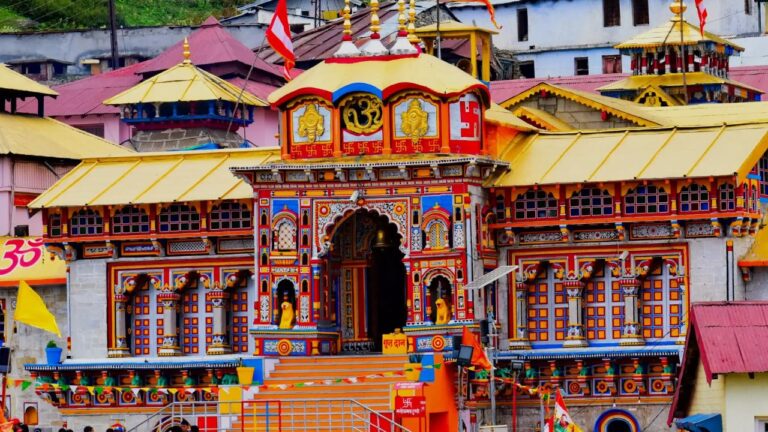
The heart of Badrinath, the temple is dedicated to Lord Vishnu and is one of the Char Dham pilgrimage sites. Its stunning architecture, colorful shrines, and the sacred idol of Lord Badrinarayan draw thousands of devotees each year. The temple is particularly lively during festivals like Badri-Kedar Utsav and the opening and closing ceremonies of the temple doors.
Mana Village
Located just 3 km from Badrinath, Mana is the last Indian village before the Tibet border. Known as the “gateway to heaven,” it offers picturesque landscapes, traditional Himalayan houses, and rich local culture. The village also serves as a starting point for treks to Vasudhara Falls and Ganesh Gufa.
Vasudhara Falls
Around 6 km from Mana, this spectacular waterfall is a must-visit for nature lovers. Surrounded by lush meadows and snow-capped mountains, Vasudhara Falls is ideal for photography, trekking, and spending tranquil moments amidst nature.
Tapt Kund
A natural hot water spring located near the Badrinath Temple, Tapt Kund is believed to have healing properties. Devotees often take a holy dip here before visiting the temple, making it a spiritually significant stop.
Neelkanth Peak
Rising majestically behind the Badrinath Temple, Neelkanth Peak offers panoramic views of the region. Trekkers and nature enthusiasts enjoy capturing the striking beauty of this Himalayan giant, especially during sunrise and sunset.
Conclusion
Badrinath offers a harmonious blend of spirituality, natural beauty, and cultural richness. From the sacred temple to nearby villages, waterfalls, and peaks, each attraction adds a unique dimension to the journey. Visiting these sites provides not only religious fulfillment but also an unforgettable experience of the serene Himalayan landscapes.
Hidden & Offbeat Places in Badrinath
While Badrinath is widely known for its famous temple and spiritual significance, the surrounding region is home to several hidden gems that remain relatively unexplored by mainstream tourists. These offbeat destinations offer a peaceful escape, pristine natural beauty, and unique cultural experiences for travelers willing to venture beyond the usual path.
Charanpaduka
Located about 3 km from Badrinath Temple, Charanpaduka is believed to be the footprints of Lord Vishnu. Set amidst serene landscapes, this sacred site is perfect for meditation and reflection away from the temple crowd.
Bhavishya Badri
This ancient temple, slightly off the main Badrinath route, is dedicated to Lord Vishnu and is believed to be the future abode of the deity. Its quiet surroundings and historic significance make it a peaceful retreat for devotees and history enthusiasts alike.
Vasudhara Falls (Trek Route)
Although the waterfall itself is popular, the trek leading to Vasudhara Falls remains offbeat. Walking through lush meadows, alpine flowers, and mountain trails provides an adventurous experience far from the usual tourist spots.
Mana Village Trails
Beyond the main village, several trekking trails lead to hidden gems like Ganesh Gufa (a cave associated with Lord Ganesh) and small meadows with panoramic views. These trails offer a chance to experience the untouched beauty of the Garhwal Himalayas.
Pandukeshwar
A little-known spot near Badrinath, Pandukeshwar is linked to the Mahabharata legends. Surrounded by scenic mountains and quiet streams, it is ideal for travelers looking to combine mythology with offbeat exploration.
Conclusion
For those seeking more than just the spiritual essence of Badrinath, exploring its hidden and offbeat places provides a deeper connection with nature, culture, and history. These lesser-known gems offer tranquility, adventure, and unforgettable experiences, making your visit to Badrinath truly unique.
Things to Do in Badrinath
Badrinath is much more than a spiritual destination; it is a hub for nature lovers, adventure seekers, and cultural enthusiasts. From exploring sacred sites to trekking through serene valleys and enjoying the pristine Himalayan landscapes, there are numerous activities that make a visit to Badrinath a holistic and memorable experience.
Visit Badrinath Temple
The most important activity is paying a visit to the Badrinath Temple, dedicated to Lord Vishnu. Witnessing the rituals, offering prayers, and experiencing the temple’s serene ambiance is a spiritually fulfilling experience for devotees.
Take a Holy Dip at Tapt Kund
Before entering the temple, many pilgrims take a holy dip in Tapt Kund, a natural hot water spring believed to have healing properties. It is a rejuvenating and spiritually significant practice.
Trekking and Nature Walks
The region offers excellent trekking opportunities, such as the trail to Vasudhara Falls or the Mana Village treks. These treks allow visitors to enjoy alpine meadows, wildflowers, and panoramic views of the snow-capped Himalayas.
Explore Mana Village
Stroll through Mana Village, the last village before the Indo-Tibetan border. Explore local culture, traditional Himalayan architecture, and nearby attractions like Ganesh Gufa and small meadows that provide breathtaking views.
Photography and Sightseeing
Badrinath’s landscapes, including Neelkanth Peak, Alaknanda River, and surrounding valleys, offer fantastic photography opportunities. Sunrise and sunset views here are particularly mesmerizing, perfect for capturing the beauty of the Himalayas.
Attend Local Festivals
If visiting during festival times, participate in celebrations like Badri-Kedar Utsav. Experiencing local rituals, music, and traditions enriches the cultural experience of Badrinath.
Conclusion
Badrinath offers a diverse range of activities that combine spirituality, adventure, and cultural exploration. Whether it’s trekking through hidden trails, immersing in the temple rituals, or simply enjoying the breathtaking Himalayan scenery, these experiences make your visit to Badrinath unforgettable.
Adventure Activities in Badrinath
While Badrinath is primarily known for its spiritual significance, the region also offers a variety of adventure activities for thrill-seekers and nature enthusiasts. Surrounded by the towering Garhwal Himalayas, lush valleys, and rushing rivers, Badrinath provides a perfect backdrop for trekking, camping, and other adrenaline-filled experiences.
Trekking
Badrinath is a gateway to several trekking routes suitable for both beginners and experienced trekkers. Popular trails include the trek to Vasudhara Falls, Satopanth Lake, and Mana Village trails. These treks offer breathtaking views of snow-capped peaks, alpine meadows, and pristine landscapes.
Camping
The scenic surroundings of Badrinath make it an ideal location for camping under the stars. Many travelers set up tents near rivers or meadows, enjoying the peaceful ambiance and crisp mountain air. Camping here provides a unique way to connect with nature while experiencing the tranquility of the Himalayas.
River Activities
The Alaknanda River, flowing close to Badrinath, offers opportunities for mild river rafting and fishing. While the rapids here are not as extreme as in Rishikesh, they still provide a fun and refreshing experience amidst stunning landscapes.
Photography and Nature Exploration
Exploring Badrinath’s wilderness also includes wildlife spotting, birdwatching, and nature photography. The region is home to diverse flora and fauna, making every hike and walk a potential adventure in discovery.
Conclusion
Badrinath is not just a spiritual retreat; it is also a haven for adventure enthusiasts. From trekking along hidden trails to camping amidst scenic meadows and exploring the rushing rivers, the region offers thrilling and unforgettable experiences. Adventure here perfectly complements the town’s spiritual and natural charm.
Food & Cafés in Badrinath
Badrinath, being a high-altitude pilgrimage town, offers a modest yet delightful culinary experience. While the focus of most travelers is spiritual and scenic, the local food scene provides comforting meals, traditional Himalayan flavors, and quick bites for weary trekkers and devotees. Exploring the cafés and food stalls here adds a cultural and flavorful dimension to your visit.
Local Eateries and Dhabas
Scattered around the temple and main market, local dhabas and eateries serve simple, hearty meals like dal, roti, rice, and sabzi, perfect for rejuvenating after long treks or pilgrimages. Many also offer thukpa, noodles, and momos, catering to travelers from different regions.
Cafés and Quick Bites
Small cafés in Badrinath provide tea, coffee, and light snacks, ideal for taking a short break while exploring the town. These cafés often have cozy seating and views of the surrounding mountains, making them a peaceful spot to relax.
Traditional Sweets
Local sweet shops offer bal mithai, pedas, and other Indian sweets, which are popular among pilgrims and tourists alike. These treats are perfect for a quick energy boost during sightseeing or trekking.
Packed and Travel-Friendly Food
For travelers heading to Mana Village or trekking routes, some dhabas offer packaged meals and ready-to-eat options, which are convenient and filling for long journeys.
Conclusion
Though Badrinath is not known as a culinary hub, its food and cafés provide a comforting and authentic Himalayan experience. Whether it’s a hot cup of tea after a trek, traditional meals at local dhabas, or sweet treats to energize your journey, the town’s food scene adds warmth and flavor to the spiritual and scenic exploration of Badrinath.
Where to Stay in Badrinath
Badrinath, being a prominent pilgrimage and tourist destination, offers a range of accommodation options catering to different budgets and preferences. From simple guesthouses and dharamshalas to comfortable hotels and government-run facilities, travelers can find a place to rest after a day of sightseeing, trekking, or temple visits. Choosing the right stay enhances the overall experience of this serene Himalayan town.
Hotels and Resorts
Several hotels and resorts in Badrinath provide modern amenities, comfortable rooms, and scenic views of the surrounding mountains. These accommodations are ideal for travelers seeking comfort and convenience, offering services like hot water, meals, and guided tours.
Dharamshalas and Ashrams
For pilgrims and budget travelers, dharamshalas and ashrams provide simple yet affordable lodging. Many dharamshalas are run by religious organizations and are located close to the temple, making it convenient for devotees. Facilities are basic but clean, focusing on spiritual and communal experiences.
Guesthouses and Homestay
Guesthouses and homestays offer a more personal and local experience. Staying with local families allows travelers to enjoy home-cooked meals, interact with residents, and gain insights into the culture and traditions of the region.
Tips for Booking
During the peak pilgrimage season (May to October), accommodations can fill up quickly. It’s advisable to book in advance, especially if traveling in large groups or during festivals. Checking for facilities like heating, hot water, and meal options can make the stay more comfortable.
Conclusion
Badrinath offers a variety of lodging options to suit different preferences and budgets. Whether you prefer the comfort of a hotel, the simplicity of a dharamshala, or the warmth of a homestay, finding the right place to stay ensures a restful and enjoyable visit to this sacred Himalayan destination.
Badrinath Nightlife & Evening Experiences
Badrinath is primarily known as a spiritual and pilgrimage destination, so its “nightlife” is quite different from bustling cities. Evenings here are serene, offering travelers an opportunity to soak in the tranquil Himalayan ambiance, participate in spiritual rituals, or enjoy peaceful walks amidst scenic landscapes. The calm and quiet of Badrinath at night provides a unique experience that blends devotion, nature, and reflection.
Evening Aarti at Badrinath Temple
One of the most spiritually enriching experiences is attending the evening aarti at Badrinath Temple. The chants, lamps, and rituals create a sacred and calming atmosphere that leaves a lasting impression on devotees and travelers alike.
Stroll Along the Alaknanda River
The Alaknanda River flows gracefully near Badrinath, and an evening walk along its banks offers serenity and a chance to enjoy the stunning reflections of the surrounding peaks. The cool breeze, flowing water, and distant mountain views make it a perfect setting for relaxation and meditation.
Exploring Local Markets
While the town is small, the local markets remain open during the evening hours, where travelers can shop for souvenirs, local handicrafts, and religious items. It’s a gentle way to experience the local culture and interact with residents.
Stargazing and Night Photography
Thanks to its high-altitude location and low light pollution, Badrinath is ideal for stargazing and night photography. Clear skies reveal countless stars, creating a magical experience for those who enjoy the wonders of the Himalayan night sky.
Conclusion
Evenings in Badrinath are peaceful, spiritual, and deeply connected to nature. From attending the temple aarti and strolling along the river to exploring local markets and stargazing, the nighttime experiences here provide a serene and unforgettable dimension to your Himalayan journey.
Do’s and Don’ts in Badrinath
Visiting Badrinath is a spiritually and visually enriching experience, but being a high-altitude pilgrimage town, it comes with certain guidelines to ensure safety, comfort, and respect for local traditions. Following these do’s and don’ts helps travelers make the most of their trip while maintaining the sanctity of this sacred Himalayan destination.
Do’s in Badrinath:
Plan Your Visit According to Season: Travel between May and October when the weather is pleasant and the temple is open.
Dress Modestly: Respect the religious and cultural environment by wearing appropriate clothing, especially when visiting the temple.
Stay Hydrated and Carry Essentials: Due to the high altitude, drink plenty of water and carry warm clothing, sunglasses, and sunscreen.
Respect Local Customs: Follow temple rules, avoid loud behavior, and seek permission before photographing devotees or religious rituals.
Hire Local Guides for Treks: For safety and a richer experience, consider hiring local guides when exploring treks or hidden spots.
Don’ts in Badrinath:
Do Not Litter: Preserve the pristine environment by disposing of waste responsibly.
Avoid Overexertion: High altitudes can cause fatigue and altitude sickness; don’t overexert yourself while trekking or walking long distances.
Don’t Ignore Safety Precautions: Avoid risky areas, especially near riverbanks or steep trails, during monsoon or snowfall.
Do Not Disrespect Religious Practices: Avoid touching sacred objects or entering restricted areas without permission.
Avoid Alcohol and Non-Vegetarian Food Near Temple: Many pilgrims refrain from these near holy sites; follow local customs.
Conclusion
Following these do’s and don’ts ensures a safe, comfortable, and respectful visit to Badrinath. By being mindful of the environment, local culture, and high-altitude conditions, travelers can enjoy a spiritually fulfilling and memorable Himalayan experience.
Why Badrinath Should Be on Your Travel List
Badrinath, nestled in the heart of the Garhwal Himalayas, is a destination that seamlessly blends spirituality, natural beauty, and cultural richness. Whether you are a pilgrim seeking divine blessings, an adventure enthusiast exploring Himalayan trails, or a traveler seeking serene landscapes, Badrinath offers something unique for everyone.
Spiritual Significance
Home to the iconic Badrinath Temple, the town is one of the Char Dham pilgrimage sites in India. Visiting the temple provides a deeply spiritual experience, allowing travelers to connect with centuries-old traditions and rituals in a serene and sacred setting.
Scenic Beauty
Surrounded by snow-capped peaks, lush valleys, and the flowing Alaknanda River, Badrinath is a paradise for nature lovers and photographers. The stunning landscapes and pristine environment make every moment here visually mesmerizing and soul-soothing.
Adventure and Exploration
Beyond spirituality, Badrinath serves as a gateway to treks, waterfalls, and offbeat trails, including Vasudhara Falls, Mana Village, and Satopanth Lake. Adventure seekers can enjoy trekking, camping, and nature walks amidst breathtaking Himalayan scenery.
Cultural and Local Experiences
Visitors can explore local markets, traditional Himalayan villages, and historic sites, gaining insight into the region’s rich culture, traditions, and mythology. The local cuisine, handicrafts, and festivals add an authentic flavor to the travel experience.
Conclusion
Badrinath is more than just a pilgrimage destination; it is a complete Himalayan experience. With its blend of spiritual reverence, scenic beauty, adventure opportunities, and cultural richness, Badrinath deserves a spot on every traveler’s bucket list. A visit here promises memories that are both heartwarming and awe-inspiring.