
Valley of Flowers Trek Guide
The Valley of Flowers, nestled in the Garhwal region of Uttarakhand, is a mesmerizing paradise for trekkers, nature lovers, and photographers alike. Famous for its vibrant meadows, alpine flowers, and breathtaking Himalayan backdrop, this UNESCO World Heritage site offers a trekking experience that blends adventure with serenity. The trek is moderate in difficulty, making it accessible to both beginners and experienced trekkers who are eager to immerse themselves in nature’s kaleidoscope of colors.
The journey typically begins from Govindghat, the gateway to the valley, which is well-connected by road from major towns like Joshimath and Rishikesh. From here, the trek spans around 17 kilometers through charming villages, dense forests, and gently sloping trails. Along the route, trekkers are greeted with the soothing sound of gurgling streams, the chirping of Himalayan birds, and glimpses of snow-capped peaks peeking through the foliage. The trek usually takes 2–3 days, with accommodation options ranging from camping tents to basic guesthouses in Ghangaria, a small village near the valley entrance.
One of the most enchanting aspects of this trek is the Valley itself. Blooming between July and early September, the valley comes alive with a carpet of vibrant flowers including blue poppies, Himalayan irises, primulas, and a variety of rare medicinal plants. The sheer diversity and density of flora make the valley a living botanical garden, perfect for photography, nature walks, and meditative exploration. Trekkers often find themselves pausing frequently to capture the picturesque scenery or simply to soak in the tranquil atmosphere.
Apart from its floral beauty, the Valley of Flowers trek also offers glimpses of wildlife, including Himalayan monals, musk deer, and elusive snow leopards in the higher reaches. The trek combines adventure with eco-tourism, emphasizing respect for nature and minimal environmental impact. Essential preparations include carrying proper trekking gear, layered clothing, sturdy shoes, and sufficient water and snacks. Local guides are recommended to ensure safety and enhance the trekking experience with insights into the valley’s unique flora and fauna.
The Valley of Flowers trek is more than just a journey; it is an immersive experience where nature, adventure, and serenity converge. Every step reveals the unparalleled beauty of the Himalayas, leaving trekkers with lasting memories and a profound appreciation for this pristine corner of India.
Top Adventure Activities in Valley of Flowers
Trekking
Trekking in the Valley of Flowers is a dream come true for nature lovers and adventure enthusiasts. Nestled in the Garhwal Himalayas of Uttarakhand, this UNESCO World Heritage site is renowned for its vibrant meadows, rare alpine flowers, and snow-capped peaks, offering a trekking experience that is as scenic as it is invigorating. The trek combines moderate difficulty with breathtaking landscapes, making it ideal for both beginner and experienced trekkers.
The journey begins at Govindghat, the gateway to the Valley of Flowers, which is accessible by road from major towns like Joshimath and Rishikesh. From here, trekkers embark on a 17-kilometer trail to Ghangaria, a small village that serves as the base camp for the valley. The trail passes through lush green forests, gurgling streams, and quaint Himalayan villages, allowing trekkers to immerse themselves in the natural and cultural charm of the region. Along the way, the crisp mountain air and panoramic views of the surrounding peaks create a refreshing and energizing trekking experience.
From Ghangaria, a short 3–4 kilometer trek leads to the Valley of Flowers itself. Blooming between July and early September, the valley transforms into a vibrant mosaic of colors, with flowers like blue poppies, primulas, Himalayan irises, and a variety of medicinal plants. Trekkers often pause to admire the flora, capture photographs, and simply soak in the tranquility of the surroundings. The valley is not only visually stunning but also rich in biodiversity, offering glimpses of Himalayan birds and wildlife such as musk deer and snowcocks.
The trek can be completed in 2–3 days, with overnight stays in Ghangaria in tents or basic guesthouses. Proper trekking gear, layered clothing, comfortable shoes, and sufficient water and snacks are essential for a safe and enjoyable journey. Local guides are highly recommended to navigate the trails safely and provide insights into the valley’s unique ecosystem.
Trekking in the Valley of Flowers is more than a physical journey; it is an immersive experience that connects adventurers with nature’s beauty and serenity. Every step reveals the unmatched charm of the Himalayas, leaving trekkers with memories of a pristine landscape, a vibrant floral tapestry, and the rejuvenating spirit of the mountains.
Camping
Camping in the Valley of Flowers is an unforgettable way to immerse yourself in the pristine beauty of the Garhwal Himalayas. Nestled amidst towering peaks, gurgling streams, and vibrant meadows, the valley offers a tranquil escape from the hustle and bustle of city life. While the Valley of Flowers is primarily celebrated for its floral diversity, camping adds an adventurous dimension to the experience, allowing travelers to connect deeply with nature and the serene Himalayan environment.
Most trekkers begin their journey from Govindghat, making their way to Ghangaria, the base village for the valley. Ghangaria serves as the main camping hub, offering basic facilities such as tents, mess tents, and locally managed guesthouses. The experience of camping here goes beyond shelter—it is about waking up to the soft murmur of mountain streams, the fresh alpine air, and panoramic views of snow-capped peaks that surround the valley. Setting up camp amidst lush greenery and vibrant flower meadows gives campers a sense of being in the heart of nature itself.
Camping in the Valley of Flowers is not only visually enchanting but also offers a peaceful retreat for meditation, reading, or simply absorbing the serene environment. Evenings are particularly magical, with clear skies revealing countless stars and the gentle sounds of the Himalayan wilderness creating a soothing symphony. Campfires, storytelling sessions, and light music often enhance the communal camping experience, making it both adventurous and memorable.
Safety and preparation are key for a successful camping experience. Trekkers are advised to carry warm clothing, sleeping bags, sturdy shoes, and necessary camping gear. Local guides provide essential support, from pitching tents to guiding treks within the valley, ensuring both safety and comfort. Campsites are eco-friendly, emphasizing minimal impact on the delicate ecosystem and maintaining the valley’s pristine environment.
Camping in the Valley of Flowers offers a rare blend of adventure, tranquility, and natural beauty. It allows travelers to experience the Himalayan wilderness up close, connect with fellow trekkers, and witness the valley’s floral splendor at dawn and dusk. More than just an outdoor activity, camping here is a soulful journey, leaving lasting memories of starry nights, vibrant landscapes, and the serene magic of one of India’s most breathtaking destinations.
Nature Photography
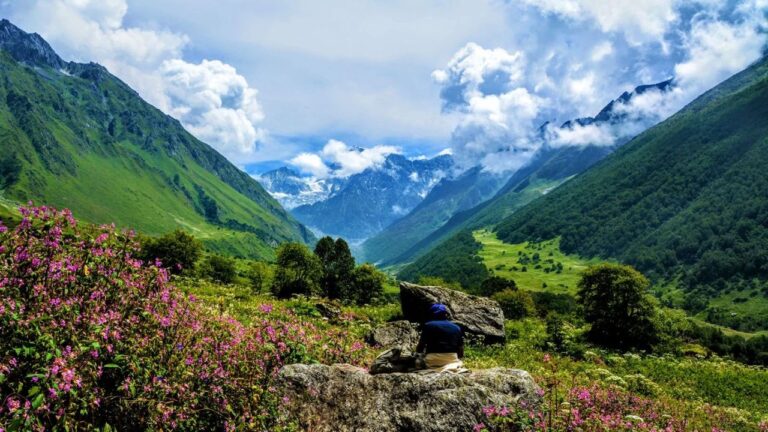
Nature Photography in the Valley of Flowers is a dream for photographers, wildlife enthusiasts, and nature lovers. Nestled in the Garhwal Himalayas of Uttarakhand, this UNESCO World Heritage site is a kaleidoscope of colors, featuring vast meadows, rare alpine flowers, and snow-capped peaks, providing a perfect canvas for capturing the raw beauty of the Himalayas. The valley’s diverse flora, fauna, and landscapes make it a paradise for both amateur and professional photographers, offering endless opportunities to create stunning visual stories.
The trek to the valley begins from Govindghat, leading to Ghangaria, the base village, and then onward to the valley itself. Along the trail, photographers can capture the charm of quaint Himalayan villages, dense forests, flowing streams, and the serene ambiance of the mountains. The soft morning light filtering through the trees, the gentle mist over the trails, and the vibrant wildflowers create a magical atmosphere for landscape photography. Every turn of the trail reveals new perspectives, allowing photographers to experiment with composition, lighting, and depth.
Inside the valley, the floral diversity steals the show. Blooming between July and early September, flowers such as blue poppies, primulas, Himalayan irises, and Brahmakamal paint the meadows with vivid colors. Close-up shots of these delicate blooms reveal intricate patterns and textures, while wide-angle shots capture the valley’s vastness against the backdrop of towering Himalayan peaks. Nature photographers also find opportunities to document wildlife, with Himalayan monals, musk deer, snowcocks, and various butterflies inhabiting the region, adding life to the serene landscapes.
Golden hours at dawn and dusk are especially rewarding for photography, as the valley glows with soft hues and shadows, creating dramatic and ethereal images. Photographers are encouraged to carry essential gear, including sturdy tripods, protective camera covers, and sufficient lenses to capture both macro and landscape shots. Respect for the fragile ecosystem is crucial, with minimal disturbance to flora and fauna.
Nature photography in the Valley of Flowers is more than a hobby—it is an immersive experience that allows one to observe, appreciate, and preserve the Himalayan wilderness through the lens. Each click tells a story of tranquility, vibrant life, and the breathtaking beauty of one of India’s most enchanting natural wonders.
Bird Watching & Wildlife Spotting
Bird Watching & Wildlife Spotting in the Valley of Flowers is a truly enchanting experience for nature enthusiasts, adventure seekers, and photographers alike. Nestled in the Garhwal Himalayas of Uttarakhand, this UNESCO World Heritage site is not only a haven of vibrant alpine flora but also a thriving ecosystem home to diverse bird species and wildlife. The valley’s high-altitude meadows, dense forests, and serene rivers create ideal habitats for both resident and migratory species, making it a paradise for wildlife observation.
The journey begins from Govindghat, with trekkers passing through lush forests, streams, and quaint Himalayan villages en route to Ghangaria, the base camp for exploring the valley. Along the trail, keen observers can spot colorful Himalayan birds such as the Himalayan monal (the state bird of Uttarakhand), snowcocks, wagtails, and finches. Early mornings and late afternoons are particularly rewarding, as the valley comes alive with bird calls, fluttering wings, and the occasional sight of a bird perched against the backdrop of snow-capped peaks.
Inside the valley, the opportunity to spot wildlife is equally thrilling. The meadows and forests are habitats for musk deer, Himalayan tahr, red foxes, and even elusive snow leopards in higher altitudes. Photographers and wildlife enthusiasts often find themselves pausing along the trails, binoculars in hand, to catch glimpses of these shy and beautiful creatures in their natural environment. Streams and small water bodies attract a variety of smaller animals and amphibians, adding diversity to the wildlife experience.
Bird watching and wildlife spotting here are not only about visual delight but also about connecting with nature’s rhythm. The Valley of Flowers encourages eco-friendly exploration, emphasizing minimal disturbance to the fragile ecosystem. Guides and naturalists often accompany trekkers, providing insights into species identification, behavioral patterns, and the valley’s ecological significance.
Essential preparations for a rewarding experience include carrying binoculars, a field guide to Himalayan birds, cameras with zoom lenses, and comfortable trekking gear. Patience and silence are key, as wildlife sightings are often subtle and fleeting.
Bird watching and wildlife spotting in the Valley of Flowers transform a simple trek into a deeply immersive adventure. Every flutter, chirp, and sighting strengthens the connection with nature, leaving visitors with unforgettable memories of the Himalayan wilderness and a profound appreciation for one of India’s most pristine and biodiverse landscapes.
River Crossing & Stream Exploration
River Crossing & Stream Exploration in the Valley of Flowers adds an exciting dimension to the trekking experience, combining adventure with nature’s serene beauty. The Garhwal Himalayas, where the valley is located, are dotted with glacial streams, gurgling rivers, and small waterfalls, creating a refreshing and dynamic environment for trekkers. Navigating these water bodies not only tests one’s trekking skills but also allows for a closer connection with the Himalayan ecosystem.
The trek begins at Govindghat, winding through lush forests, quaint villages, and alpine meadows before reaching Ghangaria, the base for exploring the valley. Along the way, several streams cross the trail, originating from nearby glaciers and melting snow. These streams vary in size, from gentle trickles to more robust flows, offering opportunities for adventure, exploration, and nature observation. Crossing them often involves balancing on rocks, stepping on wooden planks, or carefully wading through shallow waters, making the trek both physically engaging and fun.
Beyond the challenge, stream exploration provides a unique way to observe the valley’s ecosystem. The clear Himalayan waters are home to small fish, aquatic insects, and amphibians, while the surrounding banks support a variety of plant life, mosses, and flowering shrubs. Observing the interplay of water and flora offers valuable insights into the delicate ecological balance of the region. Photographers and nature enthusiasts can capture the beauty of flowing water against the backdrop of alpine meadows, snow-capped peaks, and colorful flowers, creating stunning visual memories.
Safety and preparation are essential for this activity. Trekkers should wear sturdy, water-resistant shoes, use trekking poles for balance, and be mindful of slippery rocks. During the monsoon season, stream flows can increase, so it’s important to exercise caution and follow local guidance. Engaging a knowledgeable guide can enhance the experience, as they provide information about the water sources, local flora and fauna, and safe crossing techniques.
River crossing and stream exploration in the Valley of Flowers transform a simple trek into an adventurous and immersive journey. Every step across a stream, every splash of cold water, and every observation of aquatic life deepens one’s connection with the Himalayas, leaving trekkers with exhilarating experiences and lasting memories of nature’s vibrant and dynamic beauty.
Flora Exploration & Botanical Walks
Flora Exploration & Botanical Walks in the Valley of Flowers offer a mesmerizing journey into one of the most biodiverse and visually stunning regions of the Garhwal Himalayas. Renowned as a UNESCO World Heritage site, the valley is home to a rich variety of alpine flowers, rare plants, and medicinal herbs. For nature enthusiasts, botanists, and casual trekkers alike, exploring the valley’s flora is both an educational and deeply immersive experience.
The trek begins from Govindghat, leading to Ghangaria, the base village for accessing the valley. From Ghangaria, a gentle 3–4 kilometer hike brings trekkers into the heart of the valley, where the real magic of flora exploration begins. Blooming primarily between July and early September, the valley transforms into a vibrant tapestry of colors, with delicate blue poppies, Himalayan irises, primulas, and the rare Brahmakamal creating a living mosaic. Every step along the trails reveals new varieties of flowers and plants, each with unique colors, shapes, and ecological significance.
Botanical walks here are not limited to flower observation. Trekkers can study medicinal plants used in traditional Himalayan remedies, mosses that carpet rocks and tree trunks, and a variety of alpine shrubs that thrive in the high-altitude environment. Local guides often accompany visitors, offering insights into plant identification, ecological roles, and traditional uses of various species. These walks allow trekkers to connect deeply with the natural environment, understanding the delicate balance of life in this pristine ecosystem.
The valley’s flora also attracts a variety of pollinators, including butterflies, bees, and hummingbirds, making botanical exploration lively and dynamic. Photographers and nature enthusiasts can capture intricate details of petals, leaves, and floral patterns, while also observing the interaction between plants and wildlife.
Essential preparations include wearing comfortable trekking shoes, carrying water, and bringing field guides or notebooks for documentation. Respect for the environment is crucial, as the Valley of Flowers is ecologically sensitive, and visitors are encouraged not to pluck flowers or disturb the natural habitat.
Flora exploration and botanical walks in the Valley of Flowers are more than just sightseeing—they are a journey into the heart of the Himalayas’ natural splendor. Each walk offers the opportunity to learn, observe, and immerse oneself in a vibrant, living ecosystem, leaving lasting memories of the valley’s breathtaking beauty and botanical richness.
Offbeat Adventure Experiences
Offbeat Adventure Experiences in the Valley of Flowers offer a unique way to explore the Himalayas beyond traditional trekking. While the valley is celebrated for its vibrant meadows, rare flowers, and serene landscapes, it also provides opportunities for travelers seeking unconventional and immersive adventures. These experiences combine physical activity, nature immersion, and exploration of hidden corners, making the Valley of Flowers an exciting destination for both thrill-seekers and nature enthusiasts.
One of the most popular offbeat adventures is high-altitude trekking beyond the main trails. While most visitors stick to the route from Ghangaria to the valley, experienced trekkers can explore lesser-known paths that connect to nearby peaks, meadows, and glaciers. These trails offer a sense of solitude, breathtaking panoramic views, and a chance to witness the valley from unique vantage points, away from crowds.
Night camping and stargazing is another unconventional experience. Camping near Ghangaria or within designated sites allows adventurers to witness the Himalayan night sky in its full glory. Far from city lights, the stars appear brighter and constellations more vivid, providing a magical backdrop to a night in the mountains. Combined with the sounds of flowing streams and distant wildlife, this experience is both adventurous and meditative.
For those interested in eco-adventures, participating in guided flora and fauna expeditions off the main trail can be incredibly rewarding. Observing rare alpine plants, medicinal herbs, and elusive Himalayan wildlife in their natural habitats gives visitors a sense of discovery and contributes to eco-tourism awareness. Similarly, exploring hidden streams, small waterfalls, and rock formations adds a playful, adventurous element to the trek.
Additionally, photography-focused treks or botanical exploration hikes designed for capturing unique landscapes, wildlife, and floral diversity offer an offbeat twist for creative travelers. These activities combine physical trekking with artistic engagement, resulting in a deeply satisfying experience.
Safety and preparation are essential for all offbeat adventures. Carrying proper trekking gear, adequate food and water, and enlisting the guidance of local experts ensures a safe and enjoyable journey. These experiences emphasize responsible travel, ensuring minimal impact on the valley’s delicate ecosystem.
Offbeat adventure experiences in the Valley of Flowers transform a traditional trek into an extraordinary journey of exploration, discovery, and connection with the raw beauty of the Himalayas, leaving visitors with unforgettable memories of a hidden paradise.
Best Time for Adventure in Valley of Flowers
July to Early September – Peak Flower Blooming Season
This is the most popular period for trekking, camping, and flora exploration. The valley bursts into vibrant colors with alpine flowers like blue poppies, primulas, and Brahmakamal in full bloom. The weather is moderate, trails are accessible, and streams are flowing gently, making it ideal for trekking, botanical walks, and photography.June – Early Monsoon Adventure
By late June, the snow starts melting, opening up trails to the valley. Adventure enthusiasts can enjoy trekking and stream exploration during this period, though occasional rainfall may make trails slippery. This time is perfect for those who prefer fewer crowds.September – Post-Bloom Serenity
Early September offers pleasant weather and less crowded trails. While some flowers begin to fade, the valley’s scenic beauty and vibrant landscapes remain captivating. This is a good time for bird watching, wildlife spotting, and offbeat adventure trails.October to Mid-June – Off-Season / Snowy Period
The valley is largely inaccessible due to heavy snowfall. Snow trekking and high-altitude exploration are possible only for experienced adventurers with proper gear. Most facilities and guides are unavailable during this period.
Conclusion
The Valley of Flowers is more than just a trekking destination; it is a sanctuary of natural beauty, adventure, and tranquility. From vibrant meadows and rare alpine flowers to gurgling streams and snow-capped peaks, every corner of the valley offers a unique experience for trekkers, nature lovers, and adventure enthusiasts. Activities like trekking, camping, botanical walks, bird watching, and offbeat explorations allow visitors to connect deeply with the Himalayan ecosystem while enjoying exhilarating adventures.
Whether you are capturing the valley’s stunning landscapes through photography, observing its diverse wildlife, or simply soaking in the serene environment during a camp or nature walk, the Valley of Flowers leaves an indelible mark on the soul. The best time for adventure, from July to early September, ensures optimal weather and vibrant flora, making every step of the journey memorable.
Respecting the fragile ecosystem, traveling responsibly, and being well-prepared with appropriate gear enhances both safety and enjoyment. Ultimately, the Valley of Flowers is a harmonious blend of adventure, natural splendor, and peaceful retreat. It promises unforgettable experiences that inspire awe, rejuvenate the spirit, and create lasting memories of one of India’s most pristine and enchanting destinations.