
Roopkund Trek Guide
Roopkund Trek, often called the “Mystery Lake Trek,” is one of the most thrilling and adventurous treks in Uttarakhand, India. Nestled at an altitude of 5,029 meters in the Garhwal Himalayas, this trek is famous for its glacial lake—Roopkund Lake—also known as the Skeleton Lake due to the human skeletal remains discovered in its vicinity. The trek offers a perfect blend of adventure, natural beauty, and mystery, attracting trekkers from across the world.
The journey typically begins from Lohajung, a quaint village that serves as the base camp. From here, trekkers traverse through lush rhododendron forests, alpine meadows, and quaint Himalayan villages. The trail gradually ascends, offering stunning views of snow-capped peaks like Trishul, Nanda Ghunti, and Chaukhamba. Along the way, trekkers pass through Bedni Bugyal and Ali Bugyal, both expansive meadows that are perfect for camping and soaking in the serenity of nature. These high-altitude meadows are especially mesmerizing during the blooming season when wildflowers carpet the landscape in vibrant colors.
The trek is moderately challenging, with steep ascents and high-altitude conditions requiring proper acclimatization. Trekkers need to be physically prepared and equipped with suitable gear, including warm clothing, sturdy trekking shoes, and trekking poles. Camping is an integral part of the Roopkund experience, allowing adventurers to stay amidst nature, enjoy starry nights, and witness the Himalayan sunrise that casts a golden glow on the peaks.
Roopkund Trek is not only about trekking; it offers unique opportunities for nature photography, bird watching, and exploring Himalayan flora. The pristine environment, frozen streams, and the mystical allure of the lake create an unforgettable adventure. The best time to undertake this trek is between mid-May and October when the weather is favorable, snow is manageable, and the meadows are in full bloom.
Overall, Roopkund Trek is a perfect combination of adventure, scenic beauty, and mystery. Whether you are an experienced trekker seeking challenging trails or a nature enthusiast wanting to explore the Himalayas’ hidden gems, Roopkund promises an exhilarating and memorable experience that stays with you long after the trek ends.
Top Adventure Activities in Roopkund Trek
High-Altitude Trekking
High-altitude trekking on the Roopkund Trek is an exhilarating adventure that tests both your physical endurance and mental strength while offering some of the most breathtaking landscapes in the Himalayas. Starting from the base village of Lohajung, trekkers gradually ascend through dense oak and rhododendron forests, crossing streams and small villages, before reaching the expansive alpine meadows of Bedni and Ali Bugyal. These meadows, often adorned with colorful wildflowers during the trekking season, provide a perfect spot to acclimatize and prepare for the higher altitudes ahead.
The true challenge of high-altitude trekking begins as the trail leads toward Roopkund Lake, situated at an elevation of 5,029 meters. The steep inclines, rocky terrain, and occasional patches of snow require trekkers to maintain a steady pace and take regular breaks to prevent altitude sickness. Proper acclimatization is essential, and trekkers are advised to follow a gradual ascent plan, hydrate adequately, and carry energy-rich snacks to sustain their stamina. The experience of moving through rugged landscapes, with the crisp mountain air and panoramic views of peaks like Trishul, Nanda Ghunti, and Chaukhamba, is both humbling and invigorating.
High-altitude trekking on the Roopkund route is not just about physical challenge; it is also a journey of connection with nature. The serene beauty of the meadows, glacial streams, and the snow-capped mountains creates moments of solitude and reflection. Trekkers often encounter rare Himalayan flora, including medicinal herbs and vibrant alpine flowers, making the trek a delight for nature enthusiasts and photographers alike.
Despite the challenges, reaching Roopkund Lake is a rewarding experience. The lake, partially frozen for much of the year, shimmers under the Himalayan sun, and its mysterious skeletal remains add an element of intrigue to the adventure. The sense of accomplishment after completing the high-altitude trek is immense, leaving trekkers with memories of pristine landscapes, thrilling climbs, and the quiet majesty of the Garhwal Himalayas.
In essence, high-altitude trekking on the Roopkund Trek is an unforgettable journey that combines adventure, natural beauty, and personal achievement, making it a must-experience for every serious trekker seeking to explore the heart of the Himalayas.
Camping in Bedni & Ali Bugyal
Camping in Bedni and Ali Bugyal during the Roopkund Trek is one of the most magical experiences a trekker can have in the Himalayas. Nestled at altitudes of around 3,300 to 3,900 meters, these alpine meadows offer vast expanses of greenery, dotted with wildflowers in the summer months, and provide a serene backdrop for camping under the open sky. The gentle slopes and panoramic views of snow-capped peaks such as Trishul, Nanda Ghunti, and Chaukhamba make these meadows ideal spots to rest, acclimatize, and soak in the pristine beauty of the Garhwal Himalayas.
Setting up camp in Bedni or Ali Bugyal allows trekkers to fully immerse themselves in the Himalayan environment. Waking up to the soft golden glow of the sun hitting the peaks, the chirping of birds, and the fresh mountain air creates an unforgettable experience. Evening camping is equally enchanting, with clear skies that reveal countless stars, far from the light pollution of cities. Sitting around a campfire, sharing stories with fellow trekkers, or simply enjoying the tranquility of the surroundings gives a sense of peace and connection with nature that is hard to find elsewhere.
The camping experience here also offers practical advantages. Staying overnight in these meadows helps trekkers acclimatize to the increasing altitude, which is essential before heading towards higher sections of the trek leading to Roopkund Lake. Campers can also enjoy simple, nutritious meals prepared by guides, often featuring local flavors, which provide the necessary energy for the challenging sections of the trail.
For adventure enthusiasts, camping in Bedni and Ali Bugyal is not just about rest—it’s an opportunity to explore the meadows, spot rare Himalayan birds, and photograph the stunning landscapes. Early morning walks reveal dew-covered flowers and grazing yaks, while the surrounding peaks provide dramatic views for nature photography.
Overall, camping in Bedni and Ali Bugyal combines adventure, natural beauty, and tranquility. It offers trekkers a chance to reconnect with nature, experience the true essence of the Himalayas, and create lasting memories amid some of India’s most picturesque landscapes.
Nature Photography
Nature photography on the Roopkund Trek is a truly rewarding experience, offering an opportunity to capture some of the most breathtaking landscapes of the Garhwal Himalayas. From dense rhododendron and oak forests to vast alpine meadows and snow-capped peaks, every stage of the trek provides a unique visual treat for photographers. The trail itself is a living canvas, with changing colors, textures, and light that make each shot different and memorable.
As trekkers ascend from Lohajung through Bedni and Ali Bugyal, the meadows transform into a riot of colors during the flowering season. Wildflowers such as primulas, poppies, and orchids cover the landscape, offering perfect foregrounds for panoramic shots of the surrounding peaks. The contrast of the lush greenery against the stark, white Himalayan peaks creates dramatic compositions, ideal for landscape photography. Early mornings and late afternoons are particularly magical, as the soft golden sunlight casts long shadows and highlights the contours of the mountains, providing excellent lighting for striking photographs.
Roopkund Trek also presents unique opportunities for wildlife and bird photography. Himalayan monals, snowcocks, and other high-altitude birds frequent the meadows, while occasional sightings of musk deer or Himalayan tahr add excitement for wildlife photographers. Capturing these animals in their natural habitat requires patience and a keen eye, making the trek as much about observation as it is about adventure.
The centerpiece of nature photography on this trek is, of course, Roopkund Lake itself. This glacial lake, partially frozen for much of the year, reflects the surrounding snow-capped peaks, creating a surreal and almost mystical scene. The skeletal remains scattered near the lake add an intriguing historical and mysterious element, making the photographs even more compelling.
Photographers can also experiment with river streams, waterfalls, and snowfields along the trail. The varying weather conditions, from misty mornings to clear blue skies, offer endless creative possibilities. Capturing time-lapse sequences of sunrises or the shifting clouds over the peaks can produce breathtaking visual stories.
In essence, nature photography on the Roopkund Trek is an immersive experience that blends adventure, observation, and artistic expression. Every frame tells a story of the Himalayas’ raw beauty, making it a haven for both amateur and professional photographers seeking to document the magic of high-altitude landscapes.
Bird Watching & Wildlife Spotting
Bird watching and wildlife spotting on the Roopkund Trek is a fascinating experience that allows trekkers to connect deeply with the Himalayan ecosystem. The trek passes through diverse terrains, from dense oak and rhododendron forests to expansive alpine meadows, creating habitats for a variety of birds and wildlife. This makes Roopkund not just an adventure destination but also a haven for nature enthusiasts and wildlife photographers.
The trek offers opportunities to spot high-altitude Himalayan birds such as the colorful Himalayan monal, also known as the state bird of Uttarakhand, and the elusive snowcock. Trekkers may also encounter red-billed choughs, hill pigeons, and various species of warblers and finches, especially in the early mornings when bird activity is at its peak. Carrying a pair of binoculars and a field guide can greatly enhance the experience, allowing adventurers to observe these birds in their natural habitats without disturbing them.
Wildlife sightings on the Roopkund Trek, though rare, can be thrilling. The meadows of Bedni and Ali Bugyal are occasionally visited by Himalayan tahr, musk deer, and langurs, adding an element of surprise and excitement to the trek. Small mammals, such as Himalayan marmots and pika, are commonly spotted, especially near streams and rocky areas. Observing these animals in their natural surroundings provides insight into how species adapt to high-altitude conditions, making the trek both educational and adventurous.
The best time for bird watching and wildlife spotting on the Roopkund Trek is between May and October, when the weather is favorable and wildlife activity is at its peak. Morning and late afternoon walks are ideal for observing animals and birds as they forage for food and move around the meadows and forests. Trekking quietly and respecting the natural environment enhances the likelihood of sightings.
Overall, bird watching and wildlife spotting add a rich layer of adventure and discovery to the Roopkund Trek. It allows trekkers to witness the vibrant biodiversity of the Garhwal Himalayas, offering memorable encounters with rare species amid some of the most stunning landscapes in India. This activity blends the thrill of exploration with the serenity of nature, creating an unforgettable experience for every trekker.
Glacial Lake Exploration
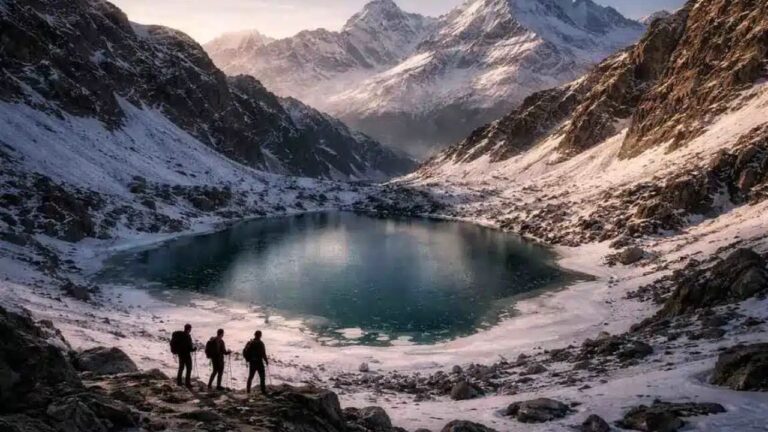
Glacial lake exploration on the Roopkund Trek is one of the most intriguing and visually stunning experiences of the journey. The trek leads to Roopkund Lake, often referred to as the “Mystery Lake” or “Skeleton Lake,” located at an altitude of 5,029 meters. Surrounded by snow-capped peaks like Trishul, Nanda Ghunti, and Chaukhamba, the lake sits in a natural amphitheater, making it a dramatic and awe-inspiring destination for trekkers and nature enthusiasts alike.
Reaching Roopkund Lake requires navigating challenging terrain, including rocky paths, steep inclines, and high-altitude conditions. The journey to the lake itself is a thrilling adventure, with panoramic views of the Garhwal Himalayas unfolding at every turn. As trekkers approach the lake, the landscape transforms into a stark, almost surreal environment with patches of snow, glacial streams, and sparse vegetation, highlighting the raw and untouched beauty of the high Himalayas.
The lake is partially frozen for most of the trekking season, creating a mirror-like surface that reflects the surrounding peaks and the sky, making it a paradise for nature photography. The stillness of the lake, combined with the crisp mountain air, evokes a sense of tranquility and wonder, offering a rare opportunity to connect with nature in one of its most pristine forms.
What makes Roopkund Lake particularly fascinating is its mysterious skeletal remains. Discovered in the early 20th century, these human skeletons, scattered around the lake, date back centuries, adding an element of historical intrigue to the trek. Observing the lake and its surroundings gives trekkers a unique sense of curiosity and awe, blending natural beauty with enigmatic history.
Exploring the glacial lake also provides insight into high-altitude ecology and geology. Trekkers can observe how glaciers shape the landscape, how snowmelt feeds streams, and how hardy alpine flora and fauna survive in extreme conditions. The experience emphasizes the fragile and unique nature of these ecosystems, making it both educational and adventurous.
In essence, glacial lake exploration on the Roopkund Trek is an unforgettable adventure. It combines high-altitude trekking, natural beauty, mystery, and ecological learning, leaving trekkers with memories of one of the Himalayas’ most captivating and enigmatic destinations.
Stream & River Crossings 350 words on it
Stream and river crossings on the Roopkund Trek add an exciting and adventurous dimension to the journey, offering trekkers both a physical challenge and a closer connection to the pristine Himalayan environment. The trek passes through numerous glacial streams, rivulets, and small rivers that flow from the surrounding snow-capped peaks, creating natural obstacles that require careful navigation. These crossings are particularly thrilling during the summer months when snowmelt swells the streams, creating fast-flowing waters that test balance, coordination, and trekking skills.
Each crossing presents a unique experience. Some streams are shallow and allow trekkers to hop across stones, while others require carefully wading through cold, icy waters. Using trekking poles and maintaining a steady pace is essential to safely navigate these natural watercourses. Guides often help in choosing the safest path, making the experience manageable even for moderately experienced trekkers. Crossing these streams not only adds an element of adventure but also gives trekkers a chance to pause, enjoy the surroundings, and appreciate the sound and movement of fresh Himalayan waters.
River crossings are also excellent opportunities for photography and observation. The flowing water, glacial reflections, and surrounding alpine scenery create picturesque settings. Trekkers can capture the dynamic interaction between the rugged terrain and the serene streams, highlighting the contrasts that make the Himalayas so visually stunning. Early morning or late afternoon crossings are particularly beautiful, with sunlight glinting on the water and creating sparkling effects that enhance the photographic appeal.
These crossings also offer a subtle lesson in high-altitude ecology. Trekkers witness how glacial melt sustains streams that feed into larger rivers, supporting local flora and fauna. Small fish, water birds, and alpine plants thrive along these streams, demonstrating the delicate balance of the ecosystem.
In essence, stream and river crossings on the Roopkund Trek combine adventure, natural beauty, and environmental awareness. They test the trekker’s skills, provide moments of exhilaration, and create unforgettable memories of interacting directly with the dynamic and pristine waters of the Garhwal Himalayas. For those seeking adventure, these crossings are an essential and memorable part of the Roopkund experience.
Botanical Walks
Flora exploration and botanical walks on the Roopkund Trek offer trekkers a unique opportunity to experience the rich and diverse plant life of the Garhwal Himalayas. The trek passes through several ecological zones, each with its own distinct vegetation, providing a living classroom for nature enthusiasts and botanists alike. From dense oak and rhododendron forests at lower altitudes to the alpine meadows of Bedni and Ali Bugyal, the trail showcases a stunning variety of Himalayan flora.
The lower regions of the trek are dominated by lush forests filled with oak, pine, and rhododendron trees. During spring and early summer, rhododendrons bloom in vibrant reds and pinks, creating breathtaking corridors along the trekking path. These flowering trees attract numerous birds and insects, adding movement and life to the forest landscape. Botanical walks through these areas allow trekkers to observe not only trees but also a wide range of shrubs, ferns, and mosses that thrive in the cool, moist environment.
As the trek ascends, the dense forests give way to open meadows and alpine grasslands, which are dotted with wildflowers such as primulas, poppies, asters, and bluebells. These meadows, particularly Bedni and Ali Bugyal, are a visual feast and provide excellent opportunities for both photography and close observation of high-altitude plants. Trekkers can learn to identify various species, understand their ecological significance, and appreciate how they adapt to survive in harsh, cold climates.
The highlight of botanical exploration on the Roopkund Trek is the discovery of rare and endemic plants that are found only in the high Himalayas. Many medicinal herbs, such as yarsagumba and artemisia, grow along the trail, offering insight into traditional Himalayan medicine. Observing these plants in their natural habitat helps trekkers develop a deeper appreciation for the fragile ecosystems of the region.
In essence, flora exploration and botanical walks on the Roopkund Trek combine adventure with education, allowing trekkers to connect intimately with the natural environment. Each step along the trail offers new discoveries, from colorful wildflowers to ancient trees, making the trek a holistic experience that celebrates the beauty, diversity, and resilience of Himalayan plant life.
Sunrise & Sunset Viewing
Sunrise and sunset viewing on the Roopkund Trek is one of the most serene and awe-inspiring experiences that add a magical touch to this high-altitude adventure. Nestled in the Garhwal Himalayas, the trek offers unparalleled vistas of snow-capped peaks, alpine meadows, and glacial lakes, which are bathed in vibrant colors during the early morning and late evening hours. Witnessing the interplay of light and shadow over this pristine landscape creates moments of pure wonder that stay etched in the memory of every trekker.
Mornings in the Himalayas begin with a crisp, fresh chill in the air, and the first rays of the sun gradually illuminate the surrounding peaks. From vantage points in Bedni and Ali Bugyal or along the higher reaches toward Roopkund Lake, trekkers can watch the golden sunlight slowly spreading across the snowy summits of Trishul, Nanda Ghunti, and Chaukhamba. The contrast of bright, glowing peaks against lingering morning mist in the valleys below creates a painterly effect that is a paradise for photographers and nature lovers alike. Sunrise also brings a sense of calm and tranquility, making it the perfect time for meditation, reflection, or simply appreciating the Himalayan grandeur in silence.
Sunsets on the Roopkund Trek are equally mesmerizing. As the day ends, the skies transform into a canvas of orange, pink, and purple hues, casting warm light on the meadows, forests, and mountains. Camping at high-altitude meadows allows trekkers to enjoy uninterrupted views of the sun sinking behind distant peaks, with shadows stretching across the valleys. The quiet of the evening, accompanied by the soft murmur of streams and gentle mountain breezes, creates a deeply peaceful atmosphere, contrasting beautifully with the exertion and thrill of the day’s trek.
Both sunrise and sunset offer unique opportunities to observe wildlife and bird activity, with early mornings being ideal for spotting Himalayan birds and the evenings providing glimpses of grazing animals in the meadows. These moments also allow trekkers to reflect on the natural beauty around them, creating a sense of connection with the environment.
In essence, sunrise and sunset viewing on the Roopkund Trek is not just about witnessing the changing light—it is about experiencing the Himalayas in their purest, most magical form. These moments offer adventure, inspiration, and serenity, making them a highlight of the trek that enriches the overall Himalayan journey.
Snow Trekking (Seasonal)
Snow trekking on the Roopkund Trek is an exhilarating seasonal adventure that offers a unique way to experience the high Himalayas. Unlike the standard trekking season, snow trekking is usually undertaken in late spring or early winter, when patches of snow still cover the higher reaches of the trail leading to Roopkund Lake. This adds an exciting challenge for trekkers, combining the thrill of adventure with the breathtaking beauty of snow-clad landscapes.
The journey through snow-covered trails requires careful planning, proper gear, and a higher level of physical endurance. Trekking poles, sturdy boots with good grip, and warm, layered clothing are essential to navigate the icy terrain safely. As trekkers ascend, they often encounter deep snowdrifts, frozen streams, and slippery slopes that demand balance, focus, and caution. Despite the challenges, the experience is immensely rewarding, offering a sense of achievement that is unique to high-altitude snow trekking.
Snow trekking transforms the Roopkund landscape into a pristine white wonderland. The alpine meadows of Bedni and Ali Bugyal, partially covered with snow, create stunning contrasts with patches of wildflowers peeking through. The surrounding peaks, blanketed in snow, glisten under the sunlight, providing mesmerizing panoramic views. Every step on the snow-laden trail feels like walking through a magical, untouched Himalayan world, making it a photographer’s paradise.
Reaching Roopkund Lake during snow trekking is especially spectacular. The lake, often partially frozen, reflects the surrounding snow-capped peaks, creating a surreal and almost mystical scene. The silence of the high-altitude environment, broken only by the crunch of snow underfoot or the distant sound of melting ice, enhances the sense of adventure and isolation, giving trekkers a profound connection with nature.
Snow trekking also provides opportunities to observe unique high-altitude flora and fauna that survive in extreme conditions. Himalayan birds and occasional wildlife sightings add to the thrill of the journey. For adventure seekers, this experience is a perfect blend of challenge, scenic beauty, and the pure exhilaration of walking in a winter wonderland at over 5,000 meters.
In essence, seasonal snow trekking on the Roopkund Trek is a once-in-a-lifetime experience. It combines adventure, natural splendor, and the thrill of navigating icy trails, leaving trekkers with memories of the Himalayas’ majestic and untamed beauty.
Offbeat Adventure Experiences
Offbeat adventure experiences on the Roopkund Trek offer trekkers a chance to step away from the usual tourist trails and explore the Himalayas in a more intimate, unique way. Beyond the standard trekking route to Roopkund Lake, there are numerous lesser-known paths, secluded meadows, and hidden viewpoints that allow adventurers to connect deeply with nature while enjoying solitude and discovery. These experiences appeal to trekkers seeking something different from conventional trekking itineraries.
One of the most popular offbeat experiences is exploring lesser-known trails that branch off from the main route. These paths lead to hidden high-altitude meadows, glacial streams, or viewpoints overlooking the surrounding peaks like Trishul, Nanda Ghunti, and Chaukhamba. Trekking along these unfrequented paths offers a sense of adventure and unpredictability, as the terrain can be rugged and navigation requires careful attention, often guided by local trekkers or experienced guides.
Another offbeat activity is night camping in remote sections of the trek, away from the more popular Bedni and Ali Bugyal meadows. Camping in these secluded areas allows trekkers to experience the pure Himalayan wilderness, with star-studded skies, crisp mountain air, and the serene sounds of nature. It is an ideal opportunity for stargazing, meditation, or simply absorbing the tranquility that comes with being completely immersed in the high-altitude environment.
Adventurers can also try ice and snow trekking on seasonal snow patches that remain along higher reaches of the trail. This offers a more challenging experience than the regular trek, allowing trekkers to test their skills on slippery slopes, frozen streams, and snow-covered paths. Additionally, exploring offbeat glacial streams and minor tributaries provides an adventurous opportunity for stream crossings, small rock climbs, and nature exploration.
Flora and fauna exploration along these offbeat routes is equally rewarding. Trekkers often encounter rare Himalayan plants, medicinal herbs, and wildlife such as Himalayan tahr or snowcocks in areas less visited by regular trekkers, enhancing the sense of discovery and connection with nature
Overall, offbeat adventure experiences on the Roopkund Trek provide a combination of thrill, solitude, and natural beauty. They allow trekkers to step beyond the conventional path, engage with the wilderness in a more personal way, and create unforgettable memories of the Himalayan highlands that go far beyond the typical trekking experience.
Best Time for Adventure in Roopkund Trek
May to June
Ideal for trekking as the snow begins to melt, meadows bloom with wildflowers, and weather is moderately warm. Perfect for high-altitude trekking and nature photography.
July to August
Monsoon season brings lush greenery and vibrant landscapes, but trails may be slippery and there is a risk of landslides. Only suitable for experienced trekkers.
September to October
One of the best seasons for adventure; clear skies, stable weather, and panoramic views of snow-capped peaks. Meant for trekking, camping, and glacial lake exploration.
Late October
Early snow may appear at higher altitudes, offering opportunities for seasonal snow trekking and unique photography, though temperatures drop significantly.
Avoid Winter (November to April)
Extremely harsh conditions, heavy snowfall, and frozen trails make trekking risky and challenging for most adventurers.
Conclusion
In conclusion, the Roopkund Trek is a perfect blend of adventure, natural beauty, and high-altitude thrill. From dense forests and vibrant alpine meadows to glacial lakes and snow-capped peaks, every step of the journey offers breathtaking views and unforgettable experiences. Trekkers can immerse themselves in high-altitude trekking, seasonal snow adventures, camping under starry skies, river and stream exploration, bird watching, and botanical walks, making it a diverse and holistic Himalayan adventure.
The trek also combines elements of mystery and discovery, with the enigmatic Roopkund Lake, offbeat trails, and rare flora and fauna enhancing the sense of exploration. Sunrise and sunset views over the peaks, along with the serene meadows and flowing streams, create moments of tranquility and reflection, complementing the physical challenges of the trek.
The best time for adventure in Roopkund is between May and October, when the weather is favorable, meadows are in full bloom, and high-altitude trails are accessible. Proper planning, acclimatization, and suitable gear ensure that the trek is both safe and enjoyable, allowing adventurers to make the most of this Himalayan experience.
Overall, the Roopkund Trek offers more than just a trekking route; it provides a journey into the heart of the Garhwal Himalayas, filled with excitement, discovery, and natural splendor. Whether you are a seasoned trekker seeking high-altitude challenges or a nature enthusiast wanting to explore pristine landscapes, Roopkund promises memories that last a lifetime.