
Nag Tibba Trek Guide
Nag Tibba, often called the “Mountain of the Serpent,” is one of the most rewarding short treks in Uttarakhand, perfect for beginners, weekend travelers, and nature lovers looking for a quick escape into the Himalayas. Located near Mussoorie and Pantwari village in the Tehri Garhwal region, this trek offers a beautiful blend of dense forests, scenic mountain trails, and breathtaking summit views without requiring high-altitude trekking experience, making it an ideal introduction to Himalayan trekking.
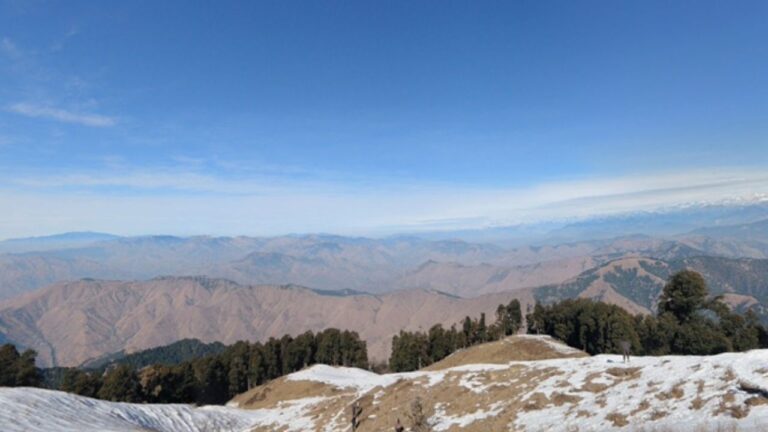
The trail gradually ascends through oak and rhododendron forests, where birdsong, cool mountain breeze, and the scent of pine create a calming trekking experience. During winter, the route transforms into a snowy wonderland, turning the trek into a magical snow hike that attracts adventure enthusiasts from across India. The campsite at Nag Tibba base is one of the highlights, offering star-lit skies, peaceful surroundings, and a serene environment perfect for bonfire evenings and storytelling.
The final summit push is both thrilling and rewarding. As you reach the top, you’re greeted with wide-angle views of mighty Himalayan peaks such as Bandarpoonch, Kedarnath, Swargarohini, and Gangotri ranges. The sunrise from the summit is especially mesmerizing, as golden rays slowly light up the snow-capped mountains, creating a breathtaking moment worth the entire journey.
Nag Tibba Trek is suitable for both beginners and experienced trekkers due to its moderate difficulty and well-marked trail. The trek usually takes two days, making it a perfect weekend adventure. The best time to visit is October to March for snow lovers and March to June for pleasant weather and clear skies. Proper trekking shoes, warm layers, rain protection, and basic essentials are recommended for a safe and comfortable experience.
What makes Nag Tibba special is its simplicity, accessibility, and raw natural charm. It offers all the elements of a classic Himalayan trek — forest trails, mountain views, peaceful campsites, and a thrilling summit — yet remains peaceful and less crowded compared to popular trekking destinations. Whether you’re seeking adventure, solitude, or a refreshing break from city life, the Nag Tibba Trek promises a memorable and soul-soothing Himalayan experience.
Top Adventure Activities in Nag Tibba
Trekking to Nag Tibba Summit
Trekking to the Nag Tibba Summit is one of the most fulfilling experiences for adventure lovers seeking a short yet rewarding Himalayan trek. The journey begins from Pantwari village, where the trail slowly winds its way through rustic mountain paths, charming forest stretches, and gently ascending ridges. The initial section of the trek introduces trekkers to serene oak and rhododendron forests, where the sound of rustling leaves, chirping birds, and cool mountain breezes create an atmosphere of calm and connection with nature. As you move deeper into the trail, the gradual climb allows beginners to gain confidence while offering spectacular glimpses of distant valleys and rolling green hills.
The trek becomes even more enchanting during winter when the path is draped in fresh snow, turning the trail into a white, sparkling wonderland. Soft crunching footsteps, snow-laden trees, and the chilly mountain air make the ascent feel adventurous yet magical. Many trekkers choose to camp at Nag Tibba Base, where the experience of sitting around a warm bonfire under a glittering starlit sky adds to the charm of the journey. The peaceful surroundings, quiet forest ambience, and open skies make the campsite itself a memorable highlight before the final climb.
The summit push the following morning is both thrilling and emotionally uplifting. As you approach the top, the landscape opens up dramatically, revealing panoramic Himalayan views that feel almost surreal. From the summit, trekkers are rewarded with breathtaking vistas of iconic peaks such as Swargarohini, Bandarpoonch, Kedarnath, and Gangotri ranges stretching endlessly across the horizon. The sunrise here is truly mesmerizing — golden rays slowly spreading across snow-capped mountains, painting the sky in shades of orange and pink, creating a moment of pure serenity and awe.
What makes trekking to Nag Tibba Summit special is its perfect balance of accessibility and adventure. It offers all the elements of a classic Himalayan trek — forest trails, mountain serenity, scenic campsites, and a dramatic summit view — yet remains suitable even for first-time trekkers. Whether you seek a refreshing weekend escape, a peaceful nature retreat, or a soul-stirring mountain experience, the Nag Tibba Summit trek leaves you with unforgettable memories and a deeper appreciation for the beauty of the Himalayas.
Camping in Forest Meadows at Nag Tibba
Camping in the forest meadows of Nag Tibba is one of the most soulful and memorable experiences of the trek, offering a perfect blend of adventure, serenity, and Himalayan wilderness. The campsite, usually set near Nag Tibba Base or slightly ahead along the forest clearing, is surrounded by towering oak and rhododendron trees, open grassy meadows, and sweeping mountain views that create an enchanting natural setting. As trekkers arrive at the campsite after a refreshing day’s hike, the peaceful silence of the forest, broken only by the sound of wind brushing through the trees and distant bird calls, instantly makes the place feel calming and immersive.
The experience becomes even more magical as evening descends over the mountains. The campsite slowly transforms into a cozy outdoor haven where trekkers unwind around a warm bonfire, sharing stories, laughter, and cups of hot tea under the open sky. Away from city lights and noise, the night sky at Nag Tibba appears incredibly clear, dotted with countless stars and occasionally revealing the Milky Way above the dark forest horizon. Stargazing from the meadows is one of the highlights of camping here, allowing travelers to feel deeply connected to nature and the stillness of the mountains.
During winter, the meadows often turn into snow-covered patches, adding a dreamy charm to the camping experience. Snow-laden trees, frosty ground, and chilly mountain air make the campsite feel like a winter wonderland, especially when the bonfire glows warmly in contrast to the cold surroundings. Waking up at dawn in these meadows is equally magical, as the first light gently paints the sky and distant peaks while the forest slowly fills with morning sounds and fresh mountain breeze.
Camping in the forest meadows of Nag Tibba is not just about staying overnight — it is about slowing down, disconnecting from routine life, and soaking in the raw Himalayan atmosphere. The serene environment, scenic natural landscape, and comforting outdoor experience make it ideal for trekkers, nature lovers, photographers, and anyone seeking peace in the mountains. Whether enjoyed with friends, fellow trekkers, or in quiet solitude, camping at Nag Tibba’s forest meadows leaves behind lasting memories and a heartwarming sense of tranquility.
Snow Trekking (Winter Months)
Snow trekking in Nag Tibba during the winter months is one of the most thrilling and enchanting experiences for adventure enthusiasts who wish to witness the Himalayas in their most magical form. From December to February, the entire trail transforms into a pristine white wonderland, with snow-covered pathways, frosted pine trees, and shimmering slopes that create a dreamy and cinematic trekking atmosphere. The soft crunch of snow under every step, the cool mountain breeze, and the serene silence of the winter forest make the journey both adventurous and deeply calming at the same time.
The trek begins with gradual ascents through oak and rhododendron forests, which look completely different in winter compared to other seasons. Branches draped in snow, frozen patches along the trail, and sunlight reflecting off the snow crystals add an element of surreal beauty to the experience. For many first-time snow trekkers, Nag Tibba serves as an ideal introduction, as the terrain remains relatively safe and beginner-friendly while still offering the thrill of winter trekking in the Himalayas. Proper winter clothing, trekking poles, waterproof shoes, and warm layers are essential to ensure comfort and safety along the route.
Camping during winter at Nag Tibba is equally mesmerizing. As temperatures drop in the evening, trekkers gather around warm bonfires, sipping hot tea or soup while sharing stories under a star-lit sky. The campsite often gets blanketed in fresh snow overnight, and waking up to a white winter landscape feels nothing short of magical. The early morning summit push becomes even more rewarding in winter, as the snow-covered trail leads to breathtaking views of peaks like Swargarohini, Kedarnath, Bandarpoonch, and Gangotri glowing under golden sunrise light.
Snow trekking at Nag Tibba is perfect for those seeking a quick and exciting winter getaway without venturing into extremely high altitudes. It offers the right balance of thrill, natural beauty, and accessibility, making it popular among beginners, photographers, and weekend travelers. Whether you’re chasing your first snow trek or simply longing to experience the peaceful charm of the mountains in winter, snow trekking in Nag Tibba promises unforgettable moments, scenic landscapes, and a heartwarming connection with the Himalayas in their purest, snow-draped form.
Sunrise & Sunset Viewing
Sunrise and sunset viewing at Nag Tibba is one of the most soul-stirring experiences of the trek, offering quiet moments of beauty that stay etched in memory long after the journey ends. Perched at an altitude where the horizon feels closer and the sky opens wide above the mountains, Nag Tibba provides spectacular vantage points to witness the magical transitions of dawn and dusk. Whether you are standing at the summit or relaxing near the forest meadows, the play of colors across the Himalayan skyline adds a serene and poetic charm to the experience.
The sunrise at Nag Tibba is especially breathtaking for trekkers who begin their early morning summit push in the dark. As the first light slowly creeps across the sky, the darkness fades and golden rays start touching the distant snow-clad peaks. Within moments, the mountains of Swargarohini, Bandarpoonch, Kedarnath, and Gangotri appear illuminated in warm hues of orange and pink, creating a mesmerizing spectacle that feels both peaceful and powerful. The crisp morning air, the silence of the forest, and the vast panorama unfolding in front of you make the sunrise feel like a deeply spiritual and uplifting moment.
Sunset at Nag Tibba carries its own sense of calm and nostalgia. As the day draws to a close, the sky transforms into a canvas of soft purples, fiery oranges, and fading blues. The valleys sink into shadow while the mountain ridges glow gently under the evening light. Many trekkers sit quietly on the ridge or near their campsite, soaking in the stillness as the sun slowly dips behind the horizon. The cool breeze, the rustling of trees, and the peaceful mountain ambience make sunset viewing feel like a moment of reflection and connection with nature.
Both sunrise and sunset at Nag Tibba offer more than just beautiful views — they create an emotional bond with the mountains. These tranquil moments encourage travelers to pause, breathe deeply, and appreciate the simple yet profound beauty of the Himalayas. Whether experienced in solitude or shared with fellow trekkers, watching sunrise and sunset at Nag Tibba adds a magical and unforgettable dimension to the overall trekking journey.
Nature Photography
Nature photography at Nag Tibba is a rewarding experience for travelers, photographers, and storytellers who love capturing the raw and serene beauty of the Himalayas. The trek offers an ever-changing landscape that feels like a natural canvas — from dense oak and rhododendron forests to open meadows, mist-filled valleys, snow-covered trails, and sweeping mountain panoramas. Every stretch of the trail presents unique frames that allow photographers to experiment with composition, light, perspective, and mood.
During the initial forest section, the soft sunlight filtering through tall trees creates beautiful shadow patterns and atmospheric frames perfect for woodland photography. The trail is rich with natural textures — moss-covered rocks, wildflowers, scattered leaves, and tree-lined paths that evoke a peaceful storytelling tone in photographs. Macro photographers also find plenty of opportunities to capture close-ups of Himalayan flora, insects, and seasonal blooms.
As the trek opens into clearings and meadows, wide-angle shots come alive with layered mountain backgrounds and rolling slopes. These open spaces are ideal for landscape photography, especially during golden hour when the warm light enhances depth and contrast across the valleys. Winter adds a new dimension to photography at Nag Tibba, as fresh snow blankets the trail, reflecting light beautifully and creating dreamy white-toned compositions.
The summit offers some of the most breathtaking frames on the trek. From panoramic views of Bandarpoonch, Kedarnath, Swargarohini, and Gangotri ranges to dramatic skyline shots, photographers can capture sweeping Himalayan vistas that feel grand and cinematic. Sunrise and sunset create powerful silhouettes and color-washed skies, making these moments essential for anyone passionate about mountain photography.
Night photography is another highlight for enthusiasts staying at the campsite. With minimal light pollution, the sky reveals clusters of stars, constellations, and occasionally the Milky Way. Long-exposure shots around the campsite — glowing tents, bonfires, and starry skies — create atmospheric frames that beautifully illustrate the quiet charm of mountain nights.
Nature photography at Nag Tibba is not just about clicking pictures — it’s about observing details, embracing stillness, and creatively expressing the emotions that the mountains evoke. Whether using a DSLR, phone camera, or action camera, every photographer leaves Nag Tibba with a collection of meaningful frames and unforgettable visual memories.
Bird Watching & Forest Exploration
Bird watching and forest exploration at Nag Tibba offer a peaceful and enriching experience for nature lovers, trekkers, and wildlife enthusiasts who enjoy observing the subtler side of the Himalayas. The trail passes through dense oak, pine, and rhododendron forests that form a serene natural habitat for a wide variety of Himalayan bird species and forest life. Away from the busy tourist trails, these sections of the trek provide moments of quiet connection with nature, where every rustling leaf, chirping sound, and gentle breeze feels alive and meaningful.
As trekkers move through the shaded forest paths, they are often greeted by the melodious calls of birds echoing through the trees. Species such as Himalayan woodpeckers, flycatchers, thrushes, magpies, and bulbuls are commonly spotted along the trail, especially during early morning hours. During spring, the blooming rhododendron trees attract even more bird activity, making the forest appear vibrant and colorful. Bird watchers often pause along the route to observe their behavior, admire their plumage, or capture them through binoculars and camera lenses.
The forest itself is equally fascinating to explore. The narrow winding trails lead through mossy rocks, fallen leaves, and towering tree canopies that create a cool, refreshing atmosphere. The earthy aroma of damp soil, pine needles, and wild plants makes the walk feel therapeutic and grounding. Occasionally, trekkers may also come across small forest clearings, natural water streams, or animal footprints — subtle reminders of the rich biodiversity thriving in the region.
Forest exploration at Nag Tibba is best enjoyed at a slow and mindful pace rather than rushing through the trail. It allows travelers to appreciate the little details that often go unnoticed — the play of sunlight filtering through branches, colorful butterflies fluttering around shrubs, and the soothing rhythm of nature all around. For many visitors, these quiet forest moments become some of the most memorable highlights of the trek.
Bird watching and forest exploration at Nag Tibba not only add an element of learning and curiosity to the journey but also deepen one’s appreciation for Himalayan ecosystems. It is an experience that encourages respect for nature, promotes sustainable trekking, and leaves travelers with a sense of calm, wonder, and environmental awareness.
Bonfire & Outdoor Camping Experience
The bonfire and outdoor camping experience at Nag Tibba is one of the most memorable highlights of the trek, offering travelers a beautiful blend of adventure, warmth, and mountain serenity. After a day of trekking through forest trails and scenic meadows, reaching the campsite feels incredibly rewarding. As the evening settles in and temperatures begin to drop, the comforting glow of a crackling bonfire becomes the heart of the camping experience, bringing trekkers together in a cozy and cheerful atmosphere.
Gathering around the bonfire under the open Himalayan sky creates a sense of connection and companionship. Trekkers share stories, laughter, conversations, and warm cups of soup or tea while watching the flames flicker against the cool night air. The sound of wood crackling, the gentle breeze passing through the trees, and the silence of the surrounding forest enhance the feeling of being far away from the chaos of city life. For many visitors, this quiet yet lively moment becomes the perfect time to unwind, reflect, and enjoy the simplicity of nature.
As night deepens, the sky above Nag Tibba reveals a stunning display of stars. With minimal light pollution, the Milky Way and countless constellations often become visible, making stargazing a magical part of the camping experience. Photographers and nature lovers especially cherish these moments as they capture long-exposure shots or simply admire the sparkling night sky while sitting beside the warm fire.
Winter camping brings an extra layer of charm, as the surroundings are sometimes dusted with snow, creating a dreamy contrast between the cold environment and the warmth of the bonfire. Waking up the next morning in tents pitched across forest meadows, with fresh mountain air and golden sunlight seeping through the clouds, feels refreshing and energizing.
The bonfire and outdoor camping experience at Nag Tibba is not just an activity — it is an emotion-filled memory that defines the spirit of the trek. It allows travelers to slow down, connect with fellow trekkers, and feel deeply rooted in the natural environment. Whether enjoyed with friends, groups, or in peaceful solitude, camping nights at Nag Tibba leave a lasting sense of joy, warmth, and mountain magic that stays in the heart long after the journey ends.
Adventure Hiking for Beginners
Adventure hiking for beginners at Nag Tibba is one of the biggest reasons why this trek has become so popular among first-time trekkers, students, families, and weekend travelers. The trail offers the perfect balance of challenge, accessibility, and safety, making it an ideal introduction to Himalayan trekking without requiring prior high-altitude experience. With its moderate gradient, well-marked paths, and manageable duration, Nag Tibba allows beginners to experience the thrill of adventure hiking while still feeling comfortable and confident throughout the journey.
The trek usually starts from Pantwari village, where the initial stretch consists of gradual ascents through rustic mountain trails and scenic forest sections. The terrain is neither too steep nor too technical, allowing new trekkers to pace themselves and build stamina as they move forward. Along the way, the changing landscapes — from oak and rhododendron forests to open meadows and ridge views — keep the hike visually engaging and motivating. Beginners often find this variety encouraging, as it breaks the monotony and adds excitement to every step of the journey.
One of the biggest advantages of Nag Tibba for beginners is its short duration, typically completed in two days. This makes it suitable for those who want to experience trekking without committing to long or strenuous expeditions. The presence of organized campsites, support teams, and experienced trek leaders further enhances safety and convenience, allowing first-time hikers to learn trekking basics such as pacing, hydration, trail etiquette, and camping skills.
Winter adds an extra layer of adventure for beginners who wish to try snow trekking in a relatively safe environment. With proper guidance, warm clothing, and trekking gear, newcomers can enjoy the thrill of walking on snow-covered trails and witnessing breathtaking summit views without facing extreme altitude challenges.
Adventure hiking at Nag Tibba is not just a physical activity — it is a confidence-building experience. Completing the trek gives beginners a sense of achievement, motivation, and deeper appreciation for the mountains. It often becomes a stepping stone to more challenging Himalayan treks in the future. For anyone taking their first step into the world of trekking, Nag Tibba offers the perfect blend of excitement, learning, and unforgettable natural beauty.
Winter Adventure Getaway
A winter adventure getaway to Nag Tibba is a dream escape for travelers who wish to experience the Himalayas in their most magical and tranquil form. During the winter months, the trek transforms into a picturesque snow paradise, making it one of the most loved short winter treks near Dehradun and Mussoorie. The crisp mountain air, silent forests, and snow-covered ridges create an atmosphere that feels refreshing, adventurous, and deeply immersive for anyone seeking a quick yet memorable winter break.
The journey begins with a scenic drive to Pantwari village, followed by a steady ascent through oak and rhododendron forests that look completely different in winter. The trees often stand dusted with snow, the trail sparkles under sunlight, and every step leaves behind soft footprints in the white powdery surface. For many travelers, this is their first real snow experience — making the trek even more exciting and emotionally fulfilling.
Camping during a winter getaway at Nag Tibba is one of the most unforgettable highlights. As evening approaches and temperatures drop, trekkers gather around a warm bonfire, enjoying hot meals, conversations, and stargazing under the clear night sky. The campsite often turns into a dreamy winter landscape by morning, especially after a fresh overnight snowfall. Waking up to frosty tents, misty valleys, and glowing Himalayan peaks at sunrise creates moments that feel straight out of a postcard.
The summit hike in winter is equally thrilling. The snow-laden trail leads to breathtaking panoramic views of Swargarohini, Bandarpoonch, Kedarnath, and Gangotri ranges shimmering under golden sunlight. The peaceful surroundings, absence of large crowds, and raw natural beauty make Nag Tibba a perfect choice for those who want to experience solitude along with adventure.
What makes Nag Tibba an ideal winter adventure getaway is its accessibility and beginner-friendly nature. Unlike many high-altitude winter treks, it allows travelers to enjoy snow trekking, camping, and mountain exploration within a short and manageable duration. Whether you’re a first-time trekker, photographer, nature lover, or simply someone looking for a refreshing seasonal escape, a winter adventure getaway to Nag Tibba promises unforgettable memories, scenic landscapes, and a heartwarming connection with the mountains.
Offbeat Adventure Experiences
Offbeat adventure experiences at Nag Tibba add a unique charm to the trek, making it much more than just a regular hiking trail. While most trekkers follow the standard route to the summit, there are several lesser-explored corners, forest paths, and natural viewpoints that offer solitude, raw beauty, and a deeper connection with the mountains. These offbeat experiences are perfect for travelers who love stepping away from the usual crowd and discovering the quieter, more untouched side of the Himalayas.
One such experience is exploring the alternative forest trails that diverge from the main path at certain stretches. These routes pass through dense oak and rhododendron forests where the atmosphere feels peaceful, mysterious, and immersive. Walking through these silent woods, surrounded by tall trees, mossy rocks, and soft sunlight filtering through the canopy, gives trekkers a sense of wilderness trekking that feels both thrilling and calming. These sections are especially loved by nature photographers and slow travelers who enjoy observing details rather than rushing to the top.
Another offbeat element of Nag Tibba is visiting secluded meadow patches and natural ridge viewpoints located slightly away from the primary camping zones. These hidden spots offer panoramic mountain views without any disturbance, allowing trekkers to sit quietly, meditate, read, or simply absorb the serenity of the surroundings. During winter, these remote meadow stretches turn into untouched snowfields, making them ideal for peaceful snow walks and photography.
Cultural interactions with local villagers along the route also add depth to the offbeat experience. Meeting shepherds, listening to stories about mountain life, and observing traditional homes and lifestyles provide insight into the simple yet meaningful rhythm of rural Himalayan living.
For adventure seekers, offbeat exploration at Nag Tibba also includes sunrise ridge walks, silent night hikes near the campsite, and mindful nature walks through forest sections that most trekkers pass by quickly. These activities encourage a slower, more personal form of travel where the journey becomes as rewarding as the summit itself.
Offbeat adventure experiences at Nag Tibba inspire trekkers to see the mountains from a different perspective — one rooted in exploration, curiosity, and peaceful discovery. They transform the trek into a soulful journey, leaving travelers with unique memories and a deeper appreciation for the untouched beauty of the Himalayas.
Best Time for Adventure in Nag Tibb
October to March — Ideal for Adventure & Clear Mountain Views
This is considered one of the best times to experience Nag Tibba. The weather remains cool and pleasant, skies are mostly clear, and mountain views are sharp and scenic. It is perfect for trekking, camping, sunrise and sunset viewing, and nature photography.December to February — Best Season for Snow Trekking
Winter transforms Nag Tibba into a beautiful snow-covered landscape. Trekkers can enjoy:
• Snow trekking
• Frozen forest trails
• Winter camping and bonfire nights
This period is great for adventure lovers seeking a winter trekking experience in a beginner-friendly environment.March to April — Best Time for Forest & Meadow Exploration
Spring brings blooming rhododendron forests, lush greenery, and pleasant temperatures. It is ideal for:
• Bird watching
• Botanical walks
• Forest exploration
• Nature and landscape photography
The trail feels vibrant and refreshing during this season.May to June — Suitable for Beginners & First-Time Trekkers
The weather remains mild and comfortable, making it a great time for:
• Family treks
• Student and group trekking trips
• Camping in forest meadows
This is also one of the safest periods for new trekkers.July to September — Monsoon Season (Not Ideal for Trekking)
Heavy rainfall makes the trail slippery and prone to leeches and landslides. Visibility may also be low. Trekking during monsoon is generally not recommended for safety reasons.Best Overall Season for Adventure Activities
• Winter (Dec–Feb) — Snow trekking & winter adventure getaway
• Autumn (Oct–Nov) — Clear views & peaceful trekking conditions
• Spring (Mar–Apr) — Forest exploration & scenic landscapes
Conclusion
Nag Tibba stands out as one of the most rewarding Himalayan trekking destinations for adventure seekers, beginners, nature lovers, and weekend travelers alike. From scenic forest trails and peaceful meadows to breathtaking summit views and enchanting winter landscapes, the trek beautifully blends thrill, serenity, and natural charm in a short yet immersive journey. Every experience — whether it is snow trekking in winter, camping under starry skies, watching golden sunrises from the ridge, or exploring offbeat forest trails — adds emotion, excitement, and a deep connection with the mountains.
What makes Nag Tibba truly special is its accessibility and beginner-friendly nature, allowing even first-time trekkers to experience real Himalayan adventure without extreme difficulty. The trek encourages travelers to slow down, appreciate nature, and embrace moments of calm away from busy city life. Its scenic beauty, changing seasonal landscapes, cultural touchpoints, and adventure opportunities together create memories that stay long after the journey ends.
Whether you are planning a weekend trekking escape, a winter adventure getaway, or an introductory Himalayan hike, Nag Tibba offers the perfect blend of exploration, learning, and soulful mountain experiences — making it a destination that calls you back again and again.